
eCabs Technologies lands second Croatian taxi partner as Balkan push accelerates
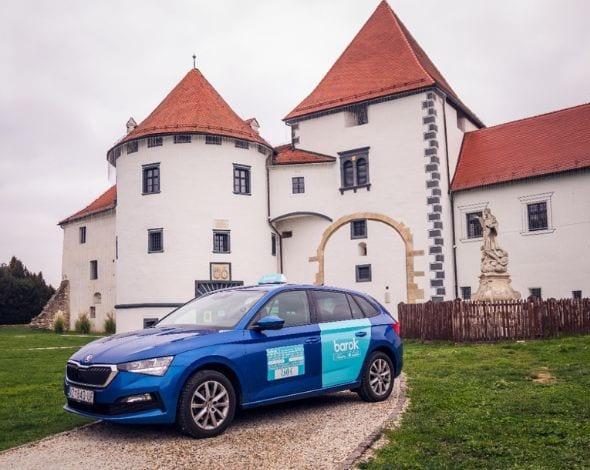
Maltese ride-hailing tech firm eCabs Technologies signs Taxi Barok in Varaždin, with a third Croatian operator set to launch within weeks.
Maltese ride-hailing technology company eCabs Technologies has signed its second Croatian taxi operator, extending its software platform into the northern city of Varaždin.
The St Julian’s-based firm said Taxi Barok has completed its migration to the eCabs platform, bringing together street hails, phone bookings and app-based rides under a single system.
Taxi Barok was established in 2023 and had relied primarily on passengers hailing taxis in the street or booking rides over the phone. Its move to the eCabs platform will add app-based bookings, pricing, business accounts and operational reporting.
The deal follows a partnership with Taxi Fiume in the Croatian city of Rijeka announced in August. A third Croatian operator has already signed up and is expected to launch in the coming weeks, although eCabs has not identified the company or city.
Taxi Barok director Denis Dežmarić said the company wanted to expand its app-based business without losing its existing customers.
“We’ve worked hard to build Barok in Varaždin… For us, the next step is to protect and strengthen that business while growing bookings through our app. Customer and driver expectations keep rising, and we need the technology to keep pace”
Dežmarić said eCabs’ experience operating a taxi service itself had been an important factor in choosing the Maltese technology provider.
“They understand how street hails, phone bookings and app bookings need to work together, and the experience customers and drivers now expect. Having their team here in Varaždin working alongside ours during the switch has been a valuable part of that partnership”
eCabs Technologies CEO and co-founder Matthew Bezzina said the company’s own origins as a local operator shaped its approach.
“We started as a local operator ourselves. We understand the value of a phone booking, a longstanding customer relationship and drivers who know their city”
Taxi Barok’s priorities would be to protect their ride-hailing and phone booking business, grow their app bookings and continue to improve their services, he noted.
“Our role is to give them the technology and support to do that”
Taxi Barok has also adopted vehicle branding similar to that used by eCabs in Malta and its technology partners Blue in Romania and RooRides in Australia, while retaining its own name.
eCabs Technologies develops the software that powers the eCabs taxi service in Malta, including passenger and driver apps, booking systems, dispatch technology and fleet management tools. It licenses that technology to taxi operators overseas, allowing them to use the platform while retaining their own brands and local operations.
The company says it has partners operating or preparing to launch in 15 cities across 13 countries. It has invested more than €20 million in developing its technology, which it markets to local taxi companies seeking to compete with international operators such as Bolt and Uber.
The Croatian expansion comes shortly after eCabs Technologies announced an integration with Revolut Pay, giving operators using its platform an additional option for processing customer payments.
For Malta’s business community, the accelerating Croatian rollout signals that eCabs’ export model is gaining traction in a market where local taxi operators face the same competitive pressures from global ride-hailing giants as their Maltese counterparts. The company’s ability to sign three operators in a single country within months suggests its strategy of arming local fleets with modern technology is resonating beyond Malta’s shores.