
Grand Harbour redevelopment call set to launch as government eyes investor interest
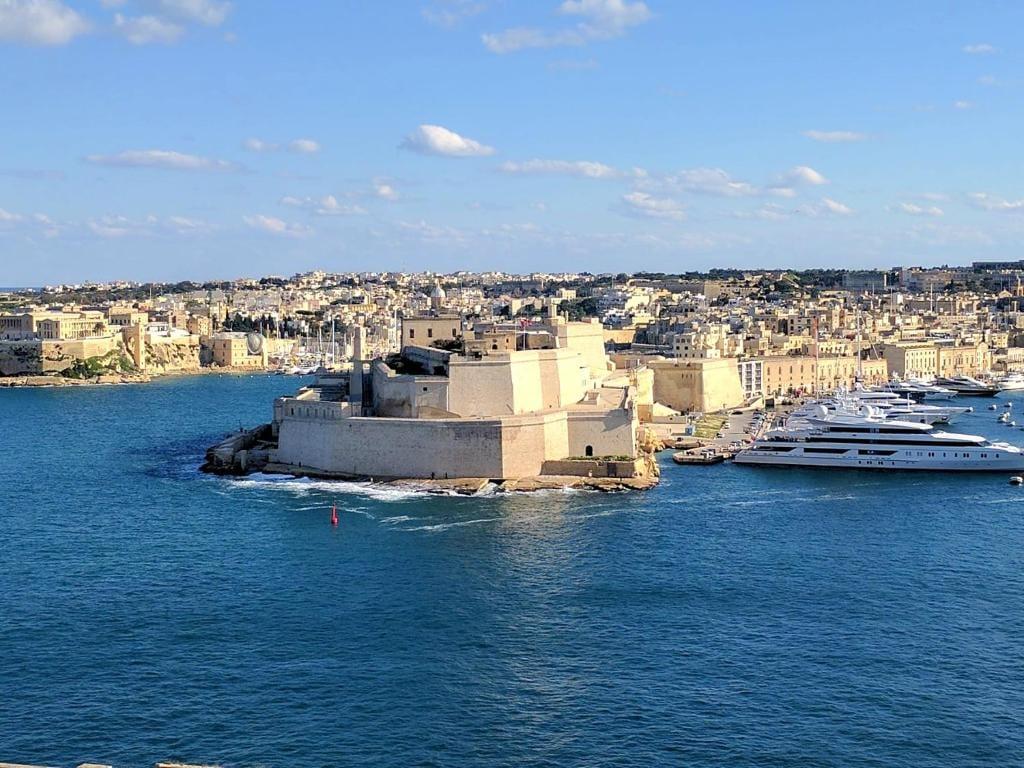
Energy Minister Miriam Dalli says the government will soon publish a call for proposals to redevelop parts of Grand Harbour, backed by feasibility studies.
The government is moving ahead with plans to redevelop parts of Grand Harbour and will publish a formal call for proposals once ongoing studies are complete, Energy Minister Miriam Dalli said in Parliament.
Dalli confirmed that the government has already consulted the public and gauged interest from local and international investors and developers. International consultants are now assessing the financial viability of various redevelopment options.
“The next step is to prepare the call for proposals, based on the results of the studies and the consultations that were carried out,”
Dalli said discussions with several entities are still under way. She wants the project to attract investment, give local communities more space and bring neglected parts of the harbour back into use.
For Malta's business community, the Grand Harbour redevelopment represents a significant infrastructure and investment opportunity. The project could unlock prime waterfront real estate for commercial, tourism and mixed-use development, potentially reshaping the economic geography of the capital region.
The minister also provided updates on other major projects. Work is under way on parks at White Rocks, Fort Campbell and Manoel Island, where cleaning and preparatory work has recently begun.
Dalli outlined the 2027 budget allocations: €400 million for energy subsidies, about €212 million for energy infrastructure, €438 million for climate action and €63 million for greening and nature projects.
The parliamentary session also saw Opposition MP Mark Anthony Sammut raise concerns about recurring power cuts affecting households and businesses. He said some restaurants had been forced to close and throw away food, while some patients and older people had been unable to use medical equipment at home.
Sammut questioned whether the government had forecast electricity demand accurately. He said an earlier government forecast had put peak demand at 530 MW by 2030, but demand had already reached 662 MW in 2023 and rose to 741 MW in 2026.
He called for automatic compensation for power cuts, arguing that payments of between €60 and €110 did little to cover losses such as spoiled food and medicine. He also questioned why some households received payments automatically while others had to fill in online forms.
Sammut asked when the government would publish the independent audit it had announced into the ARMS billing system. He also sought an update on reports that Enemalta risked losing around €60 million in carbon credits.
He said population growth had put pressure on water and sewage infrastructure while the Water Services Corporation's direct budget allocation had stayed the same for three budgets. He questioned how the government had arrived at its €86 million figure for water, reservoirs and sewage treatment.
The exchange highlights the tension between long-term infrastructure ambitions and immediate operational challenges facing Malta's energy and water networks. For businesses, the reliability of these networks remains a critical concern alongside the promise of major regeneration projects.