
Hidden Liability to Bottom-Line Asset: Flipping the Switch on Commercial Energy in Malta
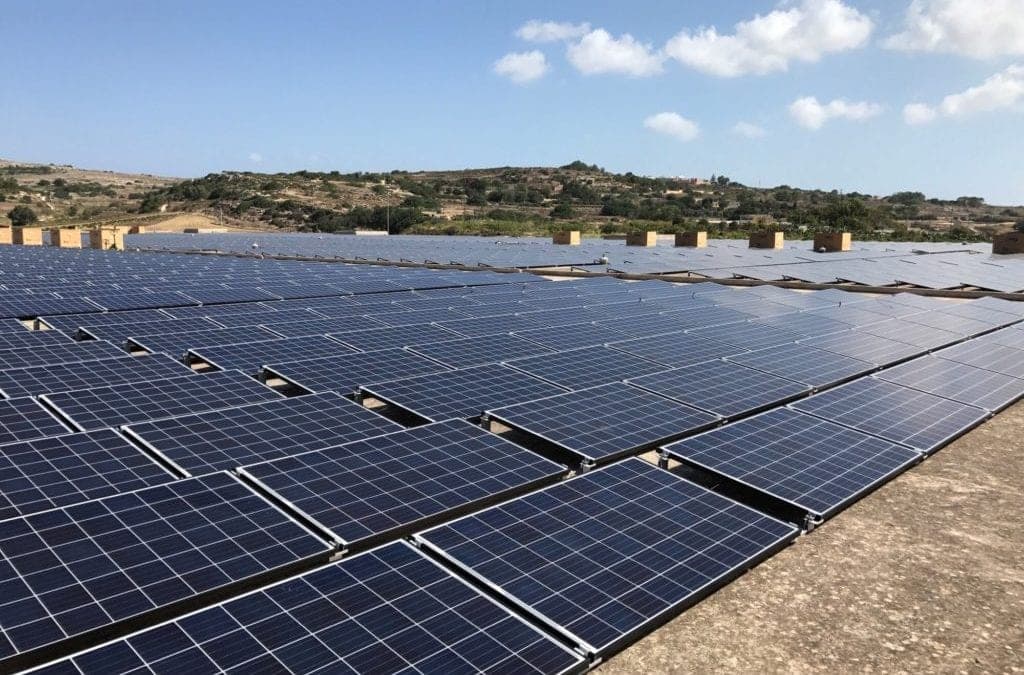
Commercial energy investment can improve profitability when the numbers fit the business. Maltese companies should assess consumption patterns, roof rights, funding conditions and lifetime costs before committing to solar, storage or efficiency upgrades.
Energy efficiency and renewable generation can strengthen a business’s finances when investment decisions reflect its premises, consumption and actual operating costs. A commercial building’s energy performance can influence its profitability for decades.
Cooling systems, lighting, refrigeration and production equipment create recurring costs. Roof space may offer an opportunity to generate electricity. Together, these make energy a capital-allocation decision with consequences well beyond the next utility bill.
For Malta, the wider economic argument is clear. The European Commission’s 2026 country report identifies the country’s dependence on imported fossil fuels as an exposure to supply shocks, while pointing to renewable energy and efficiency as ways to strengthen energy security.
At company level, however, the investment case needs to be built around the operation itself.
The starting point is a reliable picture of consumption: how much electricity the business uses, when it uses it and which activities drive demand. Twelve months of bills can establish a baseline, while more detailed consumption data can help identify patterns hidden within the total.
A daytime office, a cold-storage facility and a restaurant trading mainly in the evening can have very different requirements. The same solar installation could therefore produce different financial outcomes at each property.
REWS distinguishes between exporting all electricity generated and consuming production on site while exporting the surplus. Under a self-consumption arrangement, the financial value depends partly on the purchased electricity displaced and partly on the payment received for exports under the applicable arrangement.
Businesses should model those components separately, using their actual tariff and approved export terms.
Efficiency improvements should also be assessed before finalising the scale of a generation project. Better controls, suitable insulation or more efficient equipment may reduce the electricity required to deliver the same service. A business that first understands avoidable consumption can make a more informed decision about what to install.
The financial assessment should include installation and connection costs, maintenance, insurance, financing and expected equipment replacement. It should also test what happens if generation is lower than forecast or the business changes its operating hours.
A supplier’s headline payback estimate is only useful when its assumptions match the customer’s circumstances.
Property rights can be equally decisive. A tenant considering a long-lived installation needs sufficient control over the roof and a clear agreement covering access, maintenance, ownership and the end of the lease. The condition of the roof itself can affect both installation costs and future disruption.
Battery storage requires its own assessment. The proposal should explain the intended use, usable capacity, expected replacement requirements and financial benefit. Where backup power forms part of the offer, the design should specify which essential loads would remain supported and for how long.
Funding can improve the economics, provided the project follows the correct route.
Malta Enterprise’s Smart and Sustainable Investment Grant offers support for eligible investments, including energy-efficiency improvements. Its guidelines provide for a cash grant covering up to 50% of eligible expenditure, capped at €100,000 per project, subject to assessment and scheme conditions. They list an application deadline of 30 November 2026 and exclude costs incurred before approval.
The same guidelines direct projects generating power from alternative sources towards REWS-administered schemes. Efficiency upgrades and renewable generation therefore need separate eligibility checks.
Timing also matters. A recent REWS competitive-bidding round for installations from 40kW to less than 200kW closed on 12 October. Businesses preparing future projects need to align technical work and financing with the relevant application windows.
The strongest proposals should remain understandable after the grant percentage is removed from the presentation. Management needs to see the underlying costs, expected savings and exposure to weaker outcomes, then establish how approved support changes the return.
After installation, performance should be measured against the agreed baseline. Electricity generated, energy consumed per unit of activity and realised financial savings can show whether the investment is delivering.
An energy project becomes a business asset when its savings, risks and returns can be measured.
For Malta’s businesses, that is the opportunity: turning a recurring operating exposure into a managed investment that supports stronger margins and a more resilient operation.