
Malta's Budget Deficit Nearly Doubles as Spending Surges Past Revenue Growth
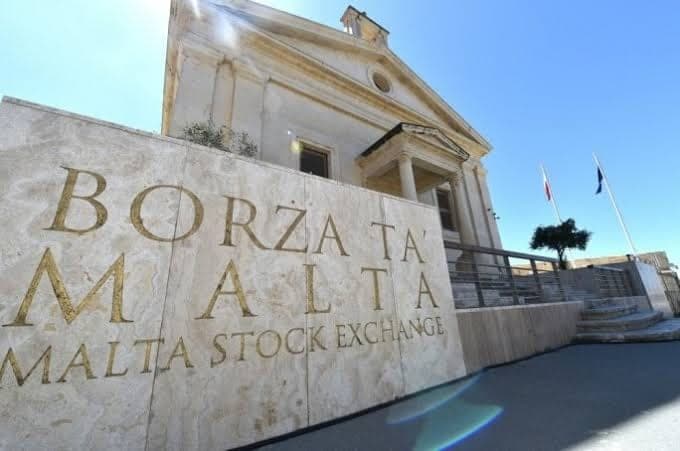
Malta's Consolidated Fund deficit hit €484.8m by September 2026, nearly double the previous year, as spending growth outpaced a strong rise in tax revenue.
Malta's government finances are showing increasing strain, with the deficit in the Consolidated Fund nearly doubling in the first nine months of 2026.
By the end of September, the deficit stood at €484.8 million, compared to €253.1 million in the same period of 2025, according to data from the National Statistics Office.
The widening gap comes despite a sharp rise in recurrent revenue, which reached €6,368.3 million, up €704.2 million from a year earlier.
Income tax brought in an additional €349.7 million, while Value Added Tax receipts grew by €224.7 million and Social Security contributions rose by €84.6 million.
But total expenditure climbed even faster, hitting €6,853.1 million, an increase of €935.8 million.
Recurrent expenditure alone rose by €754.5 million to €5,866.8 million, driven largely by a €422.8 million jump in Programmes and Initiatives.
Within that category, social security benefits increased by €120.8 million, energy support measures cost an extra €63.4 million, and EU own resources rose by €43.6 million.
Personal emoluments grew by €124.7 million, operational and maintenance expenses by €117.5 million, and contributions to government entities by €89.4 million.
Interest payments on public debt also added pressure, rising by €25.4 million to €246.8 million.
Capital spending reached €739.5 million, up €156.0 million, with the Recovery and Resilience Plan accounting for €71.0 million of that increase.
Central government debt rose to €11,956.6 million, an increase of €846.4 million, driven primarily by a €658.9 million rise in Malta Government Stocks.
For Malta's business community, the figures signal a fiscal trajectory that may require corrective measures. With spending growth outpacing even a strong revenue performance, the risk of future tax increases or spending cuts cannot be dismissed.
The energy support measures, while shielding households and businesses from price shocks, are adding a recurring cost to the public purse that shows no sign of easing.
Meanwhile, the steady rise in public debt and interest costs will constrain the government's ability to respond to future economic shocks or invest in infrastructure without further borrowing.