
Malta's Industrial Production Edges Up 1.1% in September, Energy Sector Drags
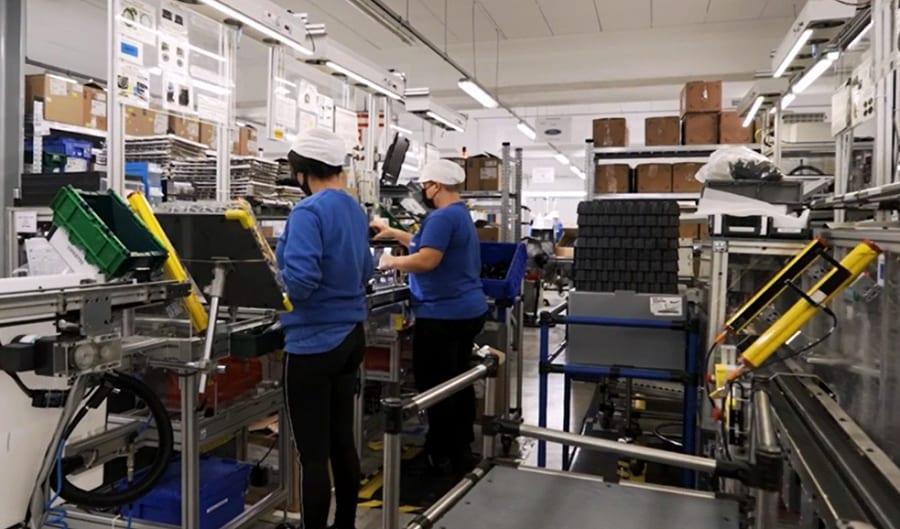
Malta's industrial output rose 1.1% year-on-year in September 2026, with manufacturing up 1.2% but energy production falling 2.2%.
Malta's industrial production posted modest growth in September 2026, with the Index of Industrial Production (IIP) rising 1.1% compared to the same month last year, according to data released by the National Statistics Office.
The headline figure masks a split performance across sectors. Manufacturing output increased by 1.2% year-on-year, while the energy sector, covering electricity, gas, steam and air conditioning supply, contracted by 2.2%.
On a month-on-month basis, the seasonally adjusted index fell 0.3% from August 2026, signalling a slight softening in industrial activity heading into the final quarter.
The IIP is compiled under EU regulations and uses a Laspeyres-type index with 2021 as the base year. The NSO surveys around 200 business units covering 80% of total industrial turnover, using a mix of cut-off and stratified random sampling.
For Malta's business community, the data points to a manufacturing sector that is holding up reasonably well in a challenging European environment, but the energy component remains a concern. The 2.2% drop in energy output may reflect maintenance cycles or shifts in demand patterns, but it also underscores the vulnerability of an island economy reliant on imported fuels and interconnector supply.
The index excludes electricity supplied via the Malta-Sicily Interconnector, meaning the energy figure captures only locally generated power. This distinction matters for investors and operators in energy-intensive industries, who face both local generation costs and interconnection reliability as variables in their planning.
Manufacturing sub-sectors showed varied performance. The NSO's weighting structure gives the largest share to 'other manufacturing' at 31%, followed by computer, electronic and optical products and motor vehicles at 17%, and food and beverages at 13%. Chemical and pharmaceutical products account for 9%.
These weights reflect the gross value added of each sector in the base year 2021. Any shift in the composition of Malta's industrial base since then, such as the growth of pharmaceuticals or electronics, would only be captured when weights are next updated in 2026.
The data is provisional and subject to revision, with an average weighted response rate of around 80%. Calendar and seasonal adjustments are applied using Eurostat's recommended JDemetra+ software.
For decision-makers in Malta's industrial and investment community, the September IIP offers a cautious signal: manufacturing is still expanding, but the pace is slow and the energy sector is pulling in the opposite direction. The coming months will show whether this is a temporary blip or the start of a broader trend.