
Property Prices Mask Sales Slowdown as Rents Rise
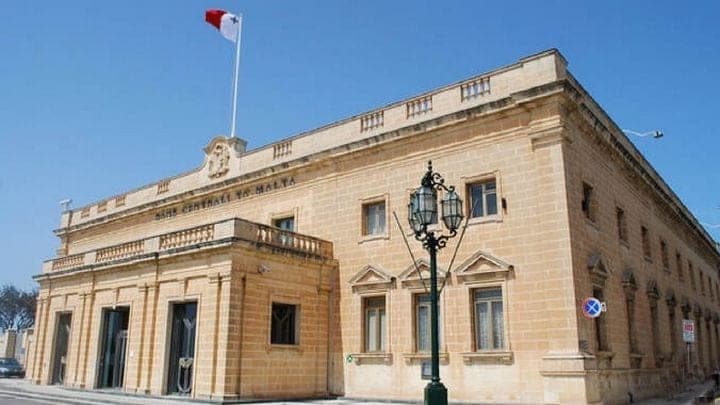
Central Bank report shows high prices compensate for fewer sales, while rental demand pushes rents up.
Malta's property market is showing a split personality. Sales volumes are slipping as affordability bites, but higher prices are keeping revenues afloat. Meanwhile, rents are climbing as demand outstrips supply, according to the Central Bank of Malta's Business Dialogue report for the third quarter of 2026.
Real estate contacts said activity remains high across both sales and rentals, but the market is becoming more difficult. The report notes that weaker affordability has made sales conditions more “challenging”, leading to fewer completed transactions in several segments.
Yet the financial impact is cushioned. “As regards property sales, there were remarks of weaker affordability and more challenging sales conditions, although higher property prices had in some cases compensated for lower transaction volumes,” This dynamic means the sector's overall revenues are holding up despite the slowdown in volume.
The affordability squeeze is pushing more people into the rental market, intensifying pressure on long-let accommodation. Demand continues to exceed supply, and the summer months made things worse as landlords shifted properties from long-term leases to short-term tourist lets.
The Central Bank explicitly warns that “the conversion of long-let units into short-term accommodation during the summer may reduce the availability of rental properties and contribute to higher rents in the long-let segment” This is a key concern for tenants and policymakers alike, as it tightens an already strained market.
Despite the sales slowdown, construction and real estate remain among the strongest sectors in the economy. Around three in four businesses reported expansion in the third quarter, with a net balance of 50% seeing growth, down from 56% previously. Demand is robust across development, residential, and commercial segments, with office space often at full capacity.
Optimism is the highest in the economy, with a net 70% of firms expecting activity to expand. This confidence is underpinned by expectations of sustained sales and rental demand, supported by ongoing supply shortages.
Cost pressures are a major concern. Transportation and raw material costs are driving up non-labour expenses, and the sector has the highest share of firms expecting unit cost increases above 5% in the next year. Labour shortages add to the strain, with skilled workers hard to find and retain, pushing up wages.
Regulatory and bureaucratic hurdles are also cited as obstacles, along with a lack of large public tenders. Yet profitability remains resilient; construction and real estate is the only sector where no businesses reported a deterioration in profit mark-ups.
Investment and hiring plans are positive. A net 20% of firms intend to increase capital expenditure, focusing on property development and IT upgrades, while a net 40% plan to expand their workforce. This suggests the sector is betting on continued growth, even as affordability challenges persist.
For Malta's business community, the takeaway is clear: the property market is not collapsing, but it is shifting. Higher prices are masking weaker volumes, and the rental squeeze is becoming a structural issue. The summer conversion trend, in particular, could have lasting effects on housing availability and costs.