
Two-thirds of Maltese family businesses lack a written succession plan
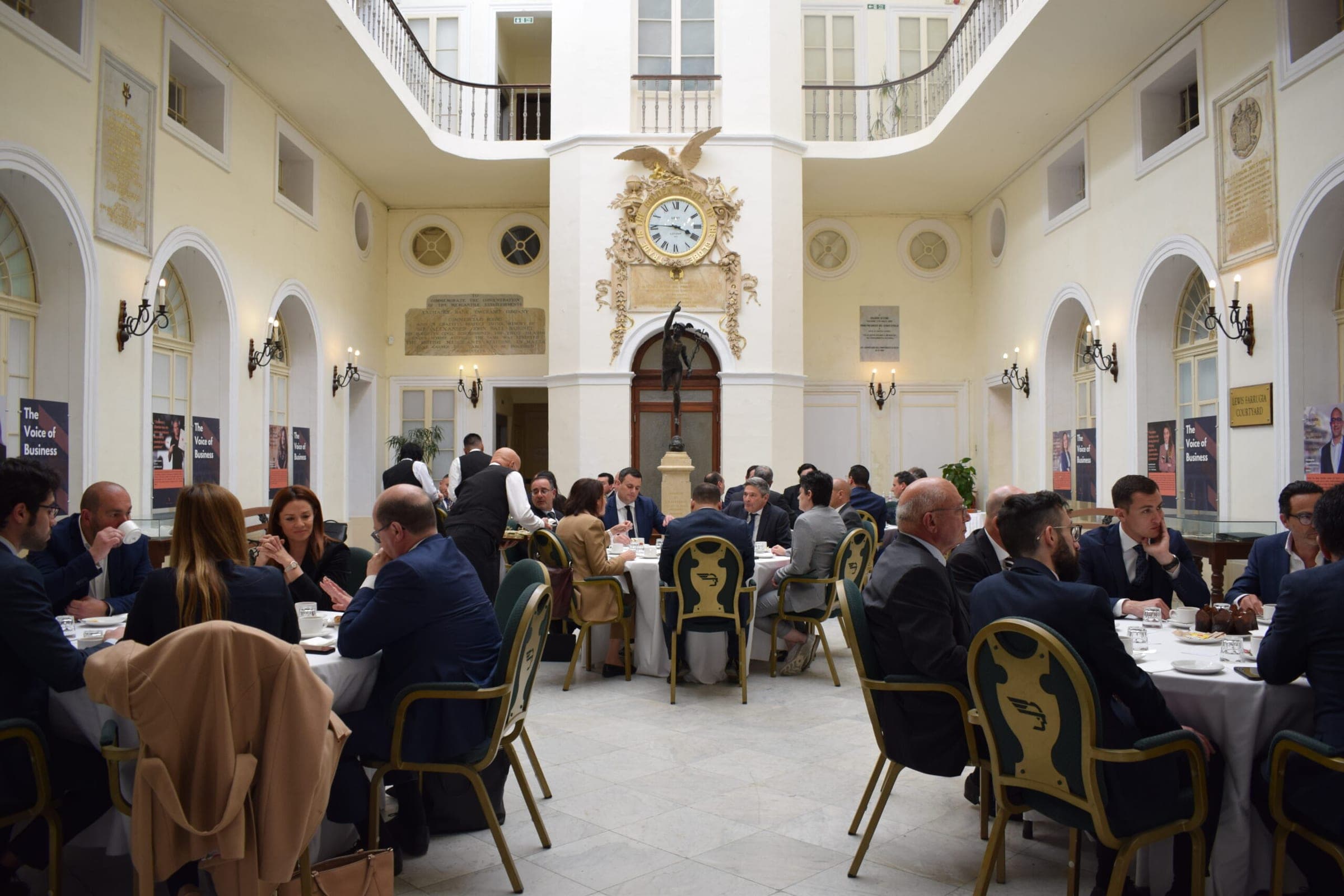
Survey of 150 firms reveals succession gap despite rising turnover. Governance and emotional hurdles flagged at Chamber event.
Two-thirds of family businesses in Malta have no written succession plan, according to a survey of 150 firms shared at a Malta Business Network panel at the Malta Chamber of Commerce.
Chamber president William Spiteri Bailey opened the event by calling family businesses a core part of the economy, but warned that the management model of the past two decades will not work going forward.
The panel, moderated by former Chamber president Marisa Xuereb, included professional director Franco Azzopardi, Vassallo Group chairperson Nathalie Briffa Farrugia, and Camilleri Preziosi partner Andrew Caruana Scicluna.
Briffa Farrugia described the handover at Vassallo Group, which began in 2021 when her father stepped down. The groundwork started much earlier, with family members becoming shareholders at 18 and now numbering seven.
“The test of your success is if the company keeps going when you are not there,”
She added that it is equally important to step out of an executive role and think like a shareholder.
The survey also found that 142 of 150 respondents had increased turnover, yet half reported stagnant profits. Some 83 per cent said they had a functioning board, and half reported having independent directors. Dividend policies were becoming more common.
Azzopardi, a former president of the Malta Institute of Accountants, emphasised that family businesses are built on trust, but that trust cannot replace a governance system.
He described pushing a company to restructure along the lines of a business exposed to capital markets, amending its memorandum and articles to allow shareholders wishing to exit to do so. The starting point should always be the board, he said, and warned that paying family members more than employees discourages other staff.
“The articles are written when everyone agrees. They are tested when someone disagrees,”
A family charter, he added, may have a lot of heart, but the question is whether it has teeth.
Caruana Scicluna said Malta's family office framework suits both foreign families and Maltese businesses, pointing to a structure running from beneficiaries through a private trust company to a SICAV and its sub-funds. Non-prescribed funds are taxed at zero, a route suited to wealth above five million euros given operating costs of about 75,000 euros.
Where no successor exists, or the next generation is too fragmented, families face problems, he said.
Briffa Farrugia noted that emotions run strong in family businesses and that consultants can help carry the emotional baggage, which may explain why some heirs are less than excited about joining.
From the floor, Pier Massa said that without a change plan, a strategy is just a piece of paper.
Closing the discussion, Azzopardi said a budget is not a strategy, and that non-executive directors fixated on compliance do little until they help a family escape the daily grind.
The event concluded that businesses must remain hungry while growing across generations.