
Budget 2026 delivery hits 86% as government eyes 90% by year-end
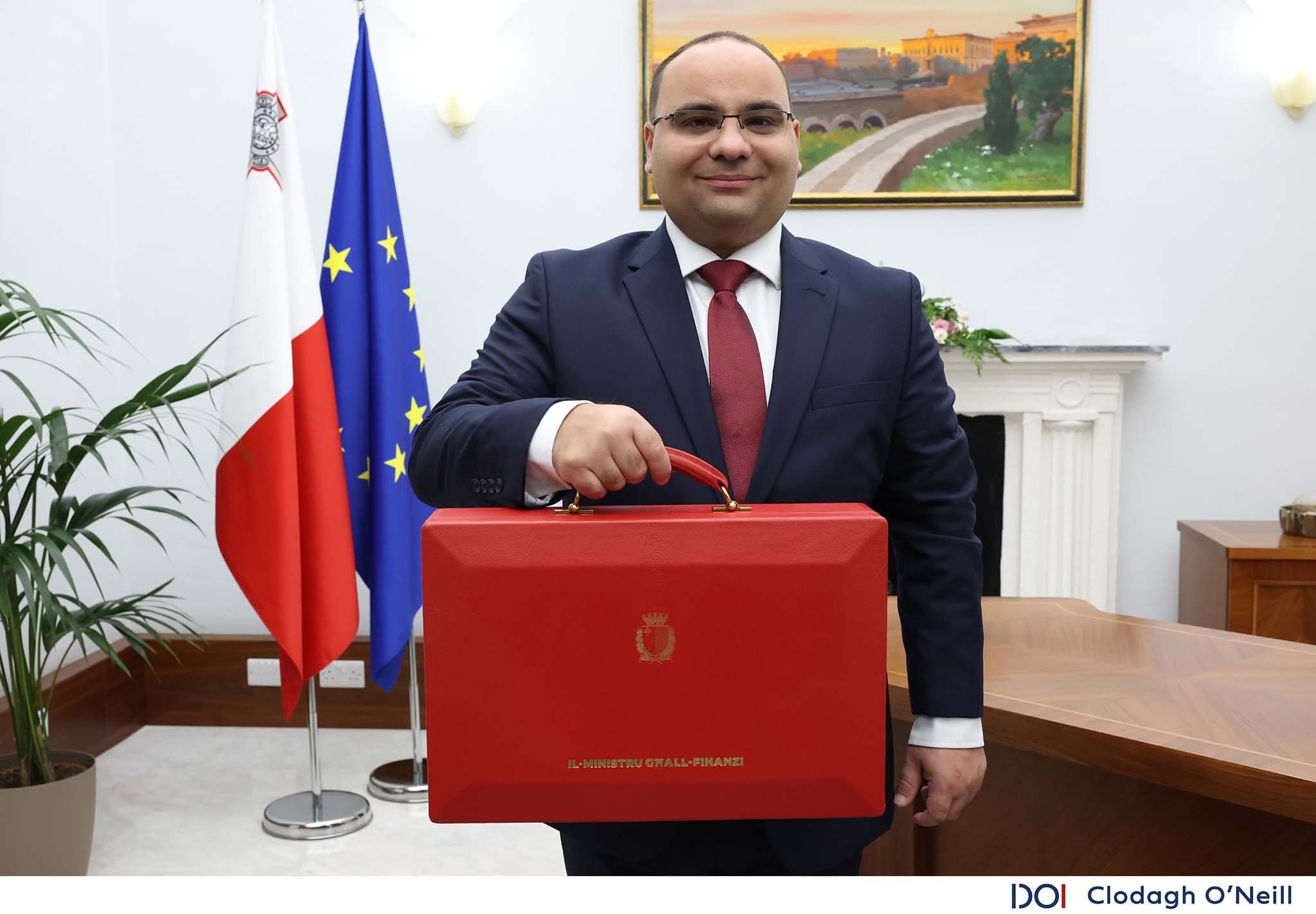
Government has implemented 86% of Budget 2026 measures, with the figure expected to reach 90% by year-end, according to a report presented to Finance Minister Clyde Caruana.
The government has delivered on 86% of the measures announced in Budget 2026, with the figure expected to climb to around 90% by the end of the year. Head of the Public Service Tony Sultana presented the Budget 2026 Implementation Report to Finance Minister Clyde Caruana on Monday, as preparations for Budget 2027 enter their final stages.
The document tracks the implementation status of Budget 2026 measures and those carried over from budgets between 2022 and 2025.
Among the implemented measures, the government highlighted a €10 weekly pension increase for more than 100,000 pensioners and €160 million in tax reductions for parents.
Stipends were increased by 15% for 16,800 students, while around 10,800 low-income families benefited from an increase in the Children's Allowance.
The Pink Card scheme, which provides eligible individuals with free medication and medical assistance, was extended to people aged 65 and over receiving the Supplementary Allowance. Around 9,500 people have benefited from the measure.
The annual grant under the Carer at Home scheme was increased to €9,000, while Servizz.gov centres began opening on Saturdays and a new centre opened in Birżebbuġa.
The report also highlights projects announced in previous budgets that were implemented this year. These include the Ċensu Moran Regional Health Centre, the new AI-powered Servizz.gov portal, and compensation for former employees of Telemalta, the Shipyard and the Gas Board.
Sultana stressed that budget measures should not remain mere commitments on paper but must translate into tangible results for the public. He added that transparency and accountability are essential pillars of a public administration that serves its citizens.
For Malta's business community, the 86% implementation rate signals a degree of fiscal reliability. Tax reductions and increased social spending can boost consumer spending, while public service improvements like the Servizz.gov portal and Saturday openings may reduce administrative friction for companies.
The government's ability to deliver on carry-over projects from previous budgets also matters for business confidence, particularly the compensation for former state employees and the new health centre.
With the implementation rate expected to reach 90% by year-end, the report provides a baseline for assessing Budget 2027's promises when it is unveiled.