
EU emissions tax pushing maritime business from Malta to North Africa, lobby warns
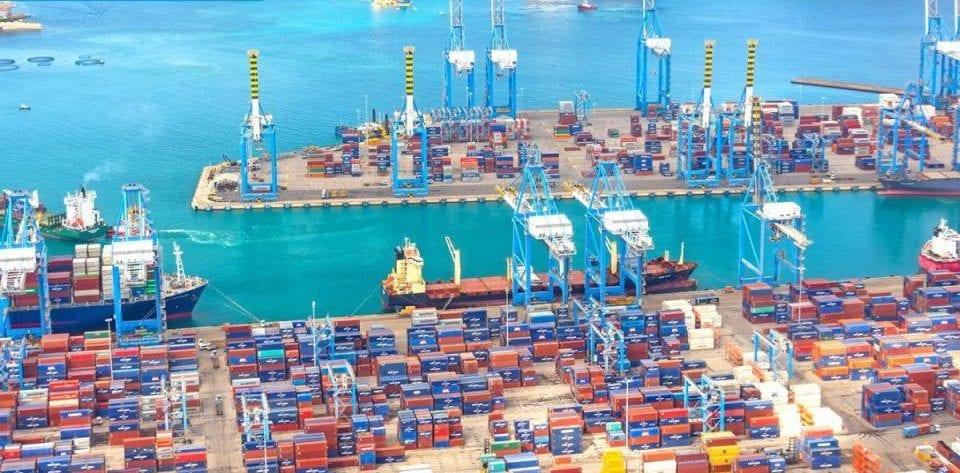
The Malta Maritime Forum warns the EU's shipping emissions tax is driving business and investment to North African ports, hitting Malta hard.
The EU's Emissions Trading System is backfiring on Malta, according to the Malta Maritime Forum. The lobby group warned that the scheme, designed to cut shipping emissions, is instead pushing maritime business and investment towards North Africa.
Malta is particularly exposed because it relies on shipping for international trade and has no rail or inland waterway alternatives for transporting goods. The forum described Malta as “the most open economy” in the EU's 27 member states.
The ETS requires shipping companies to pay for carbon allowances on routes connecting to EU ports. But the rules are encouraging operators to shift to non-EU ports where the same requirements do not apply or apply only to a limited extent, such as Tangier Med.
“The ETS was poorly designed. It was passed in record time, without a proper, broad consultation process with the maritime industry. The result is an impractical system that created unfair competition for European ports”, the forum said. “The EU cannot apply its laws outside its own territory.
As a result, Europe is losing business, investment and maritime connectivity to North Africa, where the ETS applies differently or may not apply at all.”
The forum argued that emissions are not falling but “simply moving elsewhere, together with the jobs and investment that go with them”.
The MMF proposed changing the system so that emissions charges would apply to cargo, whether containerised or otherwise, rather than the vessels carrying it. It argued this could help create a more level playing field between European ports and their competitors.
The forum backed Prime Minister Robert Abela's criticism of the system at a recent EU summit in Ireland. It welcomed the positions taken by both the government and Opposition on the issue and called for a united approach in negotiations with Brussels, warning against “compromise positions that carry unnecessary risk for Malta and the rest of Europe”
The intervention comes as the Malta Business Bureau recently called for a 50% exemption for islands under the ETS. The MMF said it was ready to assist the government ahead of an expected visit by European Commissioner for Climate, Net Zero and Clean Growth Wopke Hoekstra in the coming weeks, with the ETS expected to feature in those discussions.
For Malta's business community, the stakes are high. The country's status as the most open economy in the EU means any distortion in maritime trade flows directly hits import costs, supply chain reliability, and overall competitiveness. If the ETS continues to drive shipping activity to North African ports, Maltese businesses face higher logistics costs and reduced connectivity, undermining the island's role as a Mediterranean hub.