
Malta Chamber takes Pre-Budget 2027 reform pitch to Opposition
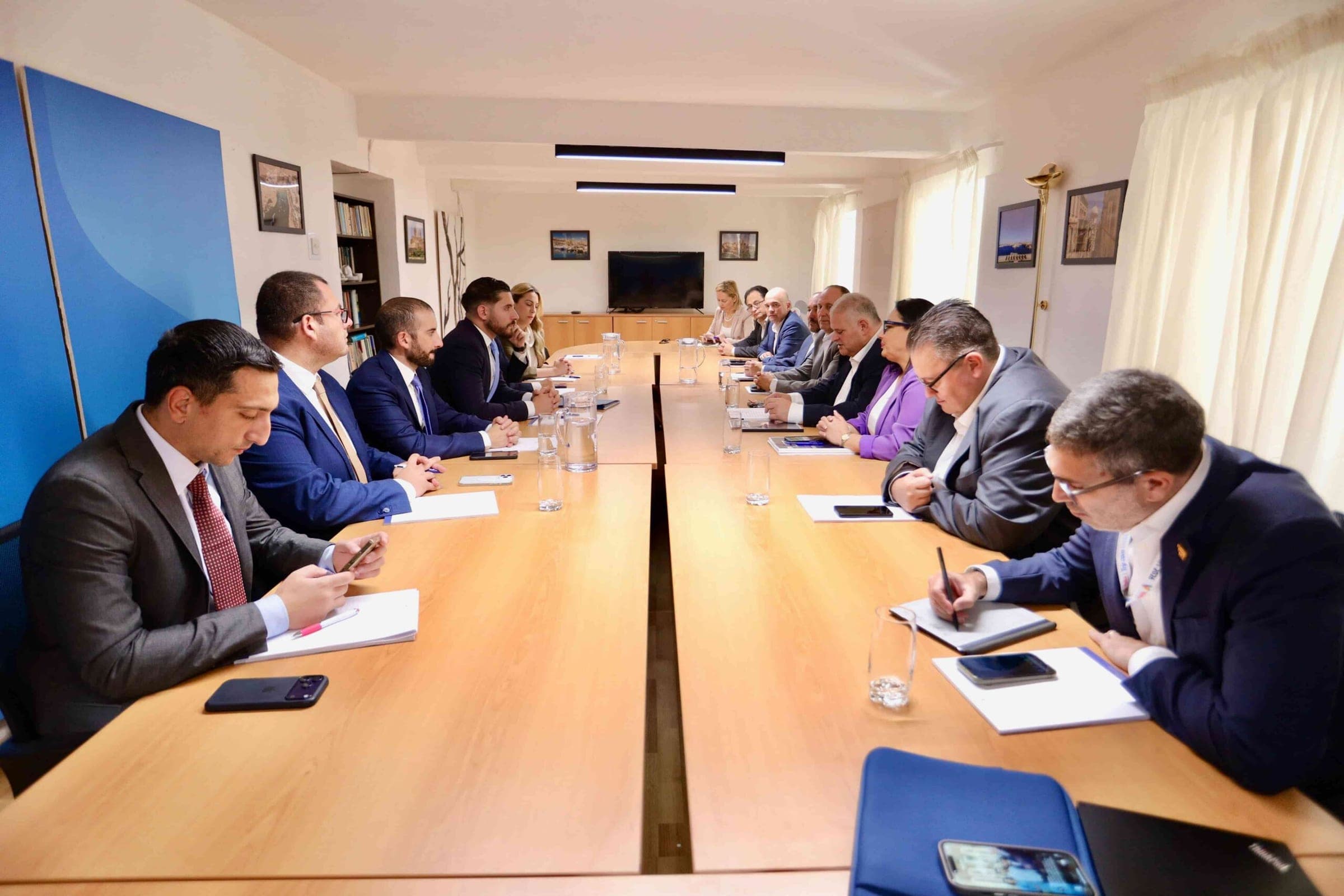
The Malta Chamber presented its 'RESET & LEAD' document to Alex Borg, urging a National Agreement on long-term strategic priorities.
The Malta Chamber has carried its Pre-Budget 2027 agenda across the political divide, presenting its 'RESET & LEAD' document to Opposition Leader Alex Borg and a team of shadow ministers.
President William Spiteri Bailey led the Chamber's Board of Management in the meeting, which put 150 proposals on the table. The package is built on six pillars: structural reforms, productivity-driven transformation, excellence over volume, cultural and institutional standards, execution through law and fairness, and good governance.
The timing is deliberate. With Malta's growth model under strain, the Chamber is positioning its proposals as national priorities rather than party-political asks. Spiteri Bailey questioned whether the current model can deliver the future the country aspires to.
"There are also challenges that can no longer be viewed solely as matters for the government of the day. We must recognise that these are long-term national challenges that will have implications for future administrations and generations. Malta therefore needs a National Agreement on a number of strategic priorities that will shape the country’s future," he stated.
For Maltese business, the significance lies in the ask: a National Agreement on competitiveness, the rule of law and the efficient use of national resources. That would give companies more predictable policy, less regulatory drift, and a clearer signal on where value creation is expected.
The document also presses for a level playing field and legislative foundations that hold up under pressure. Those themes matter to operators across regulated sectors, where trust in institutions directly affects licensing, financing and long-term investment.
By courting the Opposition before the budget cycle, the Chamber is effectively testing how much of its reform list can survive a change of government. The response from Borg's side will indicate whether strategic consensus is realistic or still a distant goal.