
Malta’s industrial producer prices rise 1.6% as capital goods lead annual gains
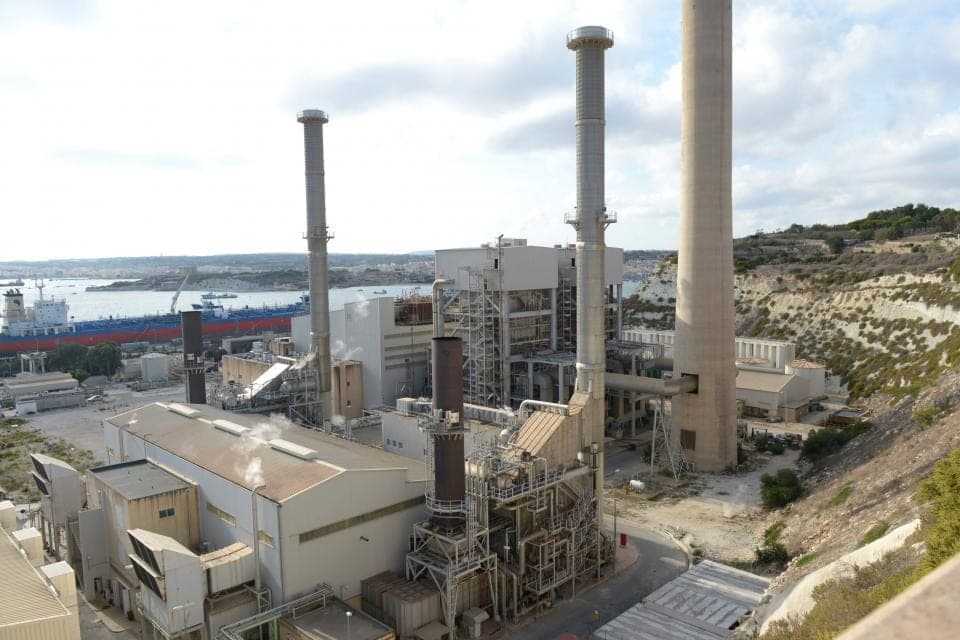
Malta’s industrial producer price index rose 1.6% year-on-year in September 2026, with capital goods up 2.9% and non-domestic prices climbing 2.3%.
Malta’s industrial producer prices continued their upward drift in September, with the national index rising 1.6% compared with the same month last year. The increase was led by capital goods, which climbed 2.9%, followed by intermediate goods at 2.8% and consumer goods at 1.1%. Energy prices were unchanged over the year.
Domestic market prices rose by a more modest 1.1%, with capital goods up 2.7%, intermediate goods up 2.4%, and consumer goods up 1.5%. Non-domestic prices, however, grew at more than twice that pace, advancing 2.3%.
Exports to the euro area saw the sharpest annual increase, with prices up 3.1%, while goods destined for non-euro markets such as the USA and Sweden rose 1.5%. This divergence suggests Maltese manufacturers are finding stronger pricing power in the single currency bloc.
On a monthly basis, the picture was softer. The overall index slipped 0.1% from August, driven by a 0.3% decline in intermediate goods. Energy, capital goods, and consumer goods prices were flat month-on-month.
The domestic market held steady, but non-domestic prices fell 0.2%, with both euro and non-euro export prices declining by the same margin. The monthly dip points to a pause in the upward trend rather than a reversal.
For Maltese businesses, the sustained rise in capital goods prices is a double-edged signal. It reflects stronger demand for machinery and equipment, a positive sign for investment, but it also raises the cost of expanding production capacity.
The index, compiled by the NSO, tracks selling prices from the largest industrial firms, which account for over 80% of total industrial turnover. Prices are collected on the 15th of each month, using Eurostat and IMF methodologies.
The data is unadjusted for seasonal or working-day effects, and indices are calculated on a Laspeyres-type basis with 2021 as the reference year. Figures are subject to revision as more complete information becomes available.
For local manufacturers, the key question is whether the annual pace of price growth can hold. With energy costs stable and export prices still rising, the near-term outlook remains positive, but the monthly dip in intermediate goods bears watching as a potential early signal of cooling demand.