
Malta Must Shift Focus from Tax Rates to Productivity and Skills, MIA CEO Says
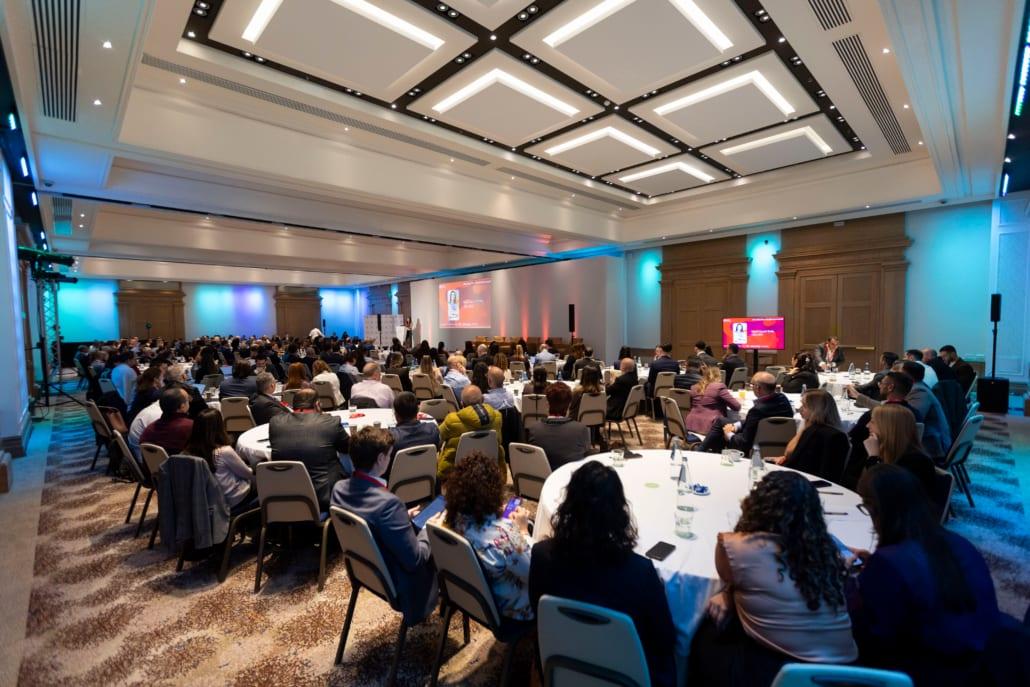
MIA CEO Maria Cauchi Delia calls for a broader competitiveness strategy beyond tax, emphasising productivity, digitalisation, and talent retention.
Malta's international competitiveness cannot rely on tax rates alone, according to the Malta Institute of Accountants' CEO Maria Cauchi Delia. Speaking at the MIA Annual Tax Conference, she urged a broader approach centred on productivity, skills, and investment.
On tax policy, Cauchi Delia identified certainty, proportionality, and collaboration as guiding principles for a credible and transparent system that meets international obligations. She called for clear rules, consistent interpretation, and reforms that reduce administrative burdens without weakening standards.
The CEO highlighted digitalisation, automation, and upskilling as essential drivers of higher-value growth. She stressed that attracting and retaining talent also requires attention to housing, living costs, and family needs.
Addressing Budget measures affecting third-country nationals, Cauchi Delia said the Institute shares the government's productivity objectives but cautioned that automation and skills development take time. She called for a fair, sector-sensitive transition supported by clear guidance to safeguard essential expertise and service continuity.
Commissioner for Tax and Customs Joseph Caruana said tax administrations face significant transformation challenges. He emphasised aligning tax policy with digital developments and involving tax and IT experts early in the legislative process to ensure measures are practical and implementable. Caruana also stressed viewing Malta's tax frameworks within a wider context, balancing fairness and genuine simplification with proportionate compliance requirements.
Caruana highlighted the MTCA's focus on 'compliance by design,' including using artificial intelligence to strengthen compliance models and streamline reporting. He said digitalisation should deliver tangible benefits for both taxpayers and tax administrators.
The conference covered budget measures, transfer pricing, VAT and eco contribution updates, gaming-related developments, the DAC Recast initiative, the EU Tax Omnibus Package, electronic invoicing, digital transformation, and customs developments affecting international trade. Breakout sessions discussed VAT and tax developments in financial services and succession planning for family businesses.
MIA President Jonathan Dingli noted that tax policy application goes beyond interpreting legislation and must translate into tangible best practice. “What matters is how developments translate into practical outcomes. Achieving the right balance between efficiency, compliance and successful implementation requires clear guidance, consistency and expertise. Ultimately, our competitiveness depends on providing businesses with the certainty they need and ensuring they have a clear understanding of their obligations.”
“Such dialogue is essential to bridging the gap between policy and practice, ensuring that legislative developments are translated into effective implementation and meaningful outcomes for businesses.”
The conference was held at The Westin Dragonara Resort, supported by the Malta Tax and Customs Administration and sponsored by Scope, KPMG, Grant Thornton, Bank of Valletta, BDO, Computime, and Forvis Mazars.