
Malta tops EU growth rankings as Brussels warns bloc at 'critical juncture' on debt
Malta is projected to have the EU's highest GDP growth by 2028 and the lowest unemployment, while the Commission flags widening deficits across the bloc.
Malta is set to deliver the strongest GDP growth in the European Union by 2028, according to the European Commission's Autumn 2026 Economic Forecast. The country ranks second for growth this year and next, before taking the top spot with an expected 3.8% expansion in two years.
Unemployment is forecast to remain at 3.1% across all years surveyed, the lowest rate in the bloc. Inflation is expected to stay below the EU average this year and in 2027, though it will edge 0.3 percentage points above the average by 2028, when prices are projected to rise by 2.6%.
Malta's deficit is set to hold steady at 2.8% from this year through 2028. That keeps the country within the Maastricht Treaty's 3% ceiling, making it one of only seven member states running a deficit that complies with EU fiscal rules. Four countries, Ireland, Greece, Cyprus and Denmark, are projected to run a surplus across all years surveyed.
The broader EU picture is less reassuring. The bloc's average deficit is expected to exceed the 3% rule throughout the forecast period, reaching 3.8% by 2028. Poland's deficit is on track to be the highest at 7.2% of GDP, while Cyprus is projected to run a 3.3% surplus.
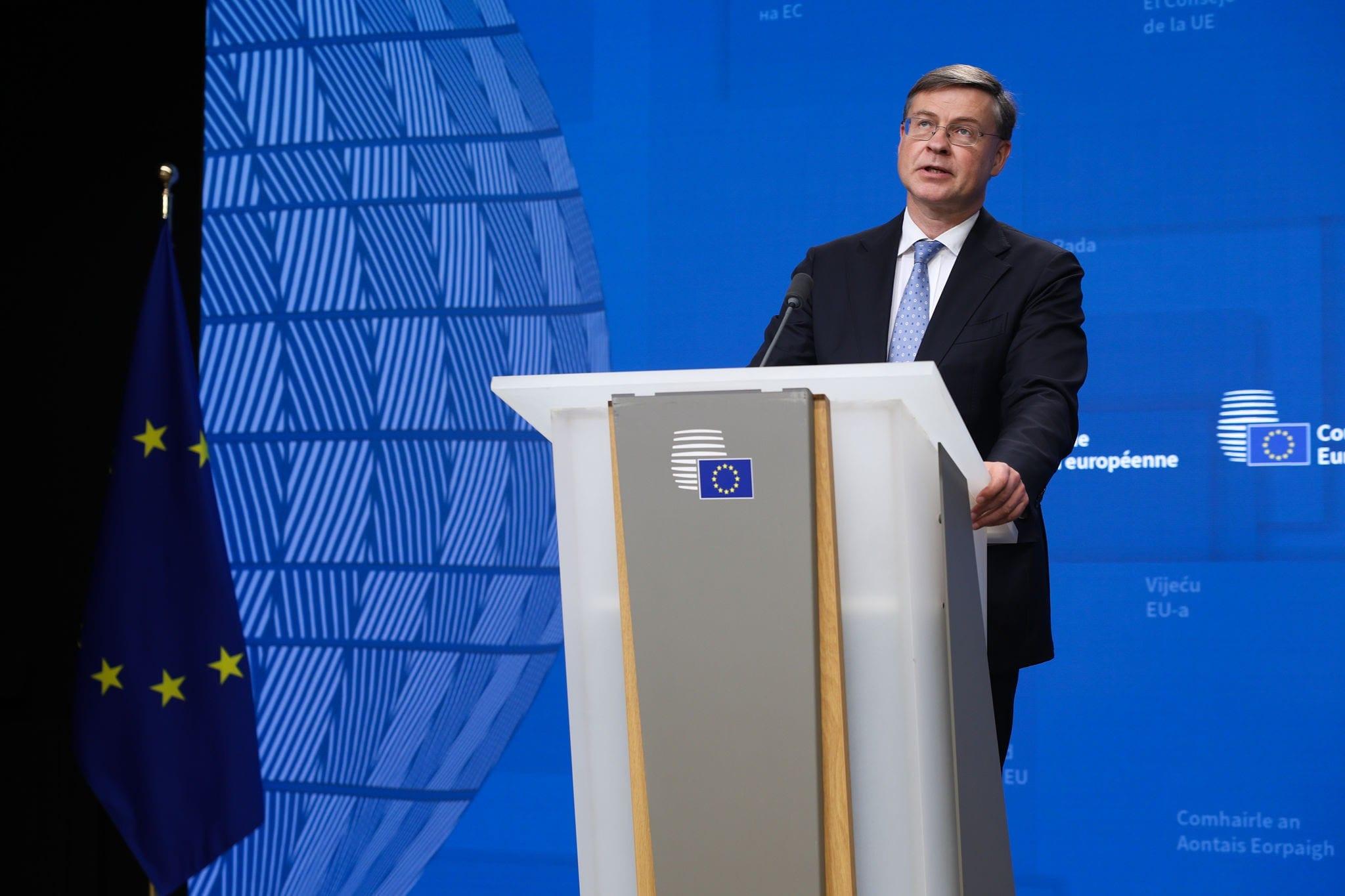
European Commissioner for Economy and Productivity Valdis Dombrovskis said the EU economy is “holding up better than expected this year”. But he warned that “Deficits are widening, and rising interest rates are making debt more expensive to service”.
Referring to countries set to remain in excessive deficit, Dombrovskis said it was “clear that we [member states] have reached a critical juncture for fiscal policy”. He stressed that EU countries “must respond with budgets that apply prudent fiscal policies that comply with our fiscal framework”.
Energy market disruptions have pushed up prices since spring. “And we now expect energy prices to remain higher for longer”, Dombrovskis said. “In parallel, financing conditions are expected to tighten, weighing on investment”.
The commissioner described the overall outlook as “surrounded by a high degree of uncertainty”, noting that “much depends” on how the conflict in the Middle East develops and its impact on global energy markets.
“Financial market stress, trade barriers and a range of possible technological and security developments pose downside risks”, he added. “Meanwhile, a faster implementation of growth-enhancing policies and greater productivity gains from the adoption of AI could provide upside risks to growth.”.
Globally, a sharp fall in US AI stocks could “reverberate” across markets, while Russian aggression could weigh on economic activity, denting confidence, weakening supply chains and raising private company operating costs.
For Malta's business community, the forecast offers a rare bright spot in an otherwise uncertain European landscape. The combination of low unemployment, contained inflation and a deficit within EU limits provides fiscal headroom that most member states lack. But the Commission's warnings on energy costs, tighter financing conditions and geopolitical risks mean local companies should brace for external headwinds, even as the domestic economy outperforms its peers.