
Schembri: Higher costs for foreign workers push firms toward automation investment
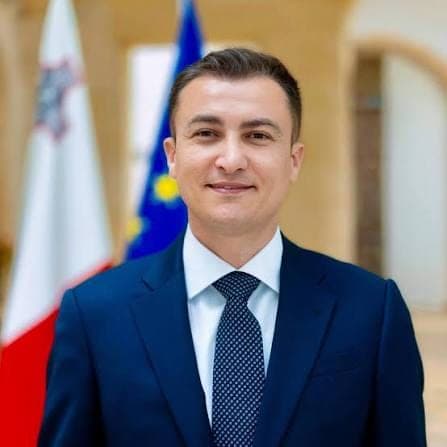
Silvio Schembri says budget measures targeting non-EU nationals are designed to discourage labour-intensive business models and encourage investment in automation.
The government is sending a clear signal to Maltese businesses: invest in automation or face rising costs for labour-intensive operations. The message comes from Silvio Schembri, who outlined the rationale behind budget measures that increase the financial burden on companies employing non-EU workers.
Schembri described the measures as a deliberate disincentive for labour-intensive shop floors. "When you want to incentivise an activity, you give an incentive. When you want to discourage that activity, you have to create an important disincentive," he said.
The budget removes free public transport and free childcare for third-country nationals, and raises driving licence fees. These changes make it more expensive to rely on foreign labour.
At the same time, the government is offering a 60% tax credit on eligible investment in automation, artificial intelligence and digitalisation. The scheme allocates €120 million, with a maximum benefit of €15 million per business spread over four years. Schembri said the initiative should start by the end of the year.
Smaller companies also get relief. Firms with turnover up to €1 million will pay 25% tax instead of 35% from next year, provided they reinvest profits in the business.
Schembri said Malta has very low unemployment and no longer needs to create jobs as urgently as before. The country should aim for more value rather than more quantity, he argued. He acknowledged that Malta still needs foreign workers and cannot manage without them, but accused the Opposition of hypocrisy for criticising overpopulation while suddenly championing workers' rights.
For Maltese businesses, the choice is strategic. Those that invest in technology can reduce dependence on foreign labour and benefit from tax credits. Those that stick with labour-intensive models will face higher costs and fewer incentives. The government expects this dual approach to begin an economic transformation step by step.