
Steve Mercieca on the homes and neighbourhoods Malta needs
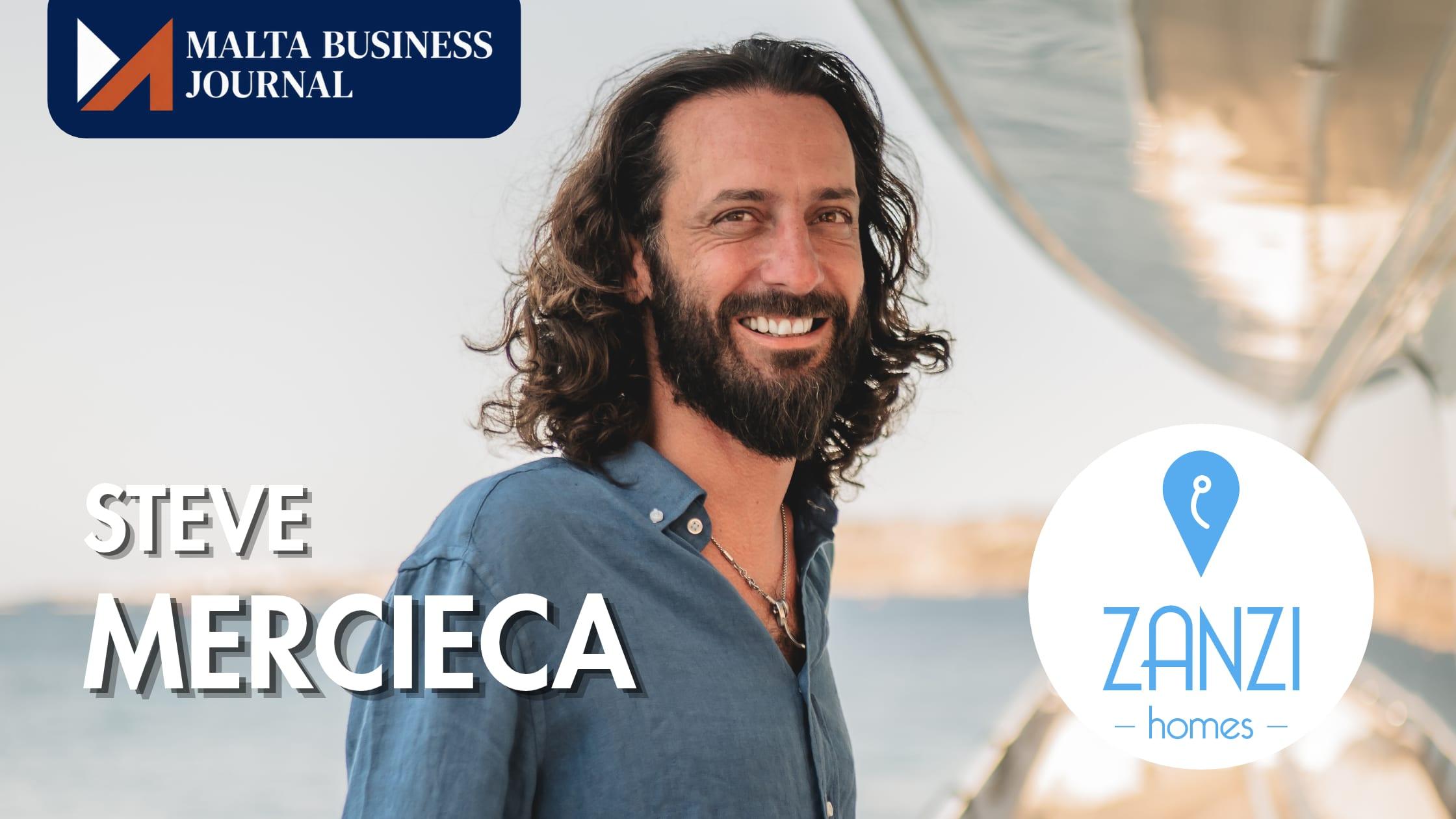
Steve Mercieca, co-founder and CEO of QuickLets and Zanzi Homes, discusses what tenants need, why reliable occupants matter to landlords and how better planning could deliver affordable homes and more liveable neighbourhoods in Malta.
The QuickLets and Zanzi Homes co-founder discusses practical homes, reliable tenants and the planning choices that could improve life in Malta.
For a landlord, an extra €100 or €200 a month can look like a better return. Steve Mercieca wants owners to count the cost of losing a reliable tenant before deciding. A vacant month, another agency fee and maintenance can absorb the increase they were chasing.
In this MBJ 1:1 interview, the co-founder and Chief Executive Officer of QuickLets and Zanzi Homes explains why the relationship between an owner and a tenant matters to the wider property market. His priorities include practical homes people can afford, predictable rules and neighbourhoods designed around the people who live and work in them.
The practical homes tenants want We begin with what tenants’ choices reveal about the homes Malta needs. Mercieca focuses on affordability and the practical details of daily life.
“Tenants” is a big word, with many many differnet needs, demands and expecations. At QuickLets we’ve dealt with over 150,000 tenants since we sarted, renting over 65,000 units. Most are after affordabilty. Once that checks the box, a lot of people think they look for outside space. Its not the case. “the great outdoors” has become “the great indoors”. People can get outdoors, outside. What they really want is quality furnitre, comfortable matress, spacious bathrooms, gas cookers, and good, clean AC.
“A very big gap in the market is well-designed, practical and affordable homes, particularly for young professionals, families and the workforce that keeps our economy running. Hopefully this is on the horizon. Even us who now develop are dearing ourselves to supply this gap in the market.”
The return from a tenant who stays For owners, those details sit alongside the value of keeping a reliable tenant. Mercieca begins his answer by explaining what the agency fee covers.
“A misconception many landlords have is that they believe Estate Agents charge half first months rent plus VAT for a 1 year lease. The fee of half of the first month’s rent, plus VAT, covers the services involved in securing a tenancy, namely:
1. Listing the owner’s property. 2. Marketing and promoting the property. 3. Finding a suitable tenant/s 4. Conducting multiple viewings 5. Finding the right property 6. Introducing the tenant/s to the owner 7. Negotiating the terms of the lease. 8. Coordinating the signing of the lease agreement.
“All of the above come at a substantial cost."
“This fee is not tied to a one-year rental period. Whether the tenant stays for six months, one year, or five years or more, the fee for these services remains the same. More often than not, if the property is well maintained and the landlord builds a good relationship with the tenant the tenant remains there even longer. We all know moving apartment is a grave inconvenience. Our fees reflect the work involved in securing the tenant and concluding the lease, rather than the duration of the tenancy.
“I always tell property owners that a good tenant is worth their weight in gold.
“Some landlords make the mistake of chasing an extra €100 or €200 a month without considering the bigger picture. Or even changing a tenant just cause they want to increase the rent. Lose a good tenant, leave your property vacant for a month, pay another agency fee, possibly carry out maintenance, and suddenly that extra income has disappeared.
“Maintain the property properly, be reasonable with rental increases and build a good relationship.
“A sustainable return isn't about squeezing every last euro out of your tenant. It's about consistent occupancy, protecting your asset and building long-term wealth”
A market both sides can trust The relationship also depends on predictability. Asked what would make the market more secure for both sides, he places clear rules and consistent enforcement together.
“Three things: consistency, transparency and enforcement.
“Landlords need confidence that their properties are protected, that contracts mean something and that they can take action when tenants don't honour their obligations.
“Equally, tenants need confidence that their home won't suddenly become unaffordable, barged into or that they'll be forced to move unnecessarily.
“We need clear rules that are applied consistently, faster resolution of disputes and better education for both landlords and tenants about their rights and responsibilities.
“I'm a strong believer in letting the market operate, but a functioning market needs proper structures around it.
“The more predictable the market becomes, the more people will invest in it, and the more secure tenants will feel.
“That's a win for everyone.”
Connecting homes with the places people work That concern extends beyond the lease. On the balance between residential and commercial development, Mercieca argues for neighbourhoods that connect homes with everyday needs.
“We need to stop looking at residential and commercial development as two separate things. They go hand in hand. They are even almost priced the same today. (excluding showrooms)
“If we build thousands of apartments without thinking about where those residents will work, shop, park, exercise or spend their free time, we're creating problems for ourselves.
“Likewise, if we build massive commercial developments without considering where the employees will live and how they'll get to work, we're adding unnecessary pressure to our roads and infrastructure.
“I've always believed in mixed-use communities. Places where people can live, work and enjoy themselves without having to get into their car for absolutely everything.
“A successful development isn't just about the building. It's about what that building contributes to the surrounding community.
“We need to think beyond individual plots and start thinking about entire neighbourhoods.”
Making better use of limited land When we turn to making better use of Malta’s limited land, he combines calls for practical infrastructure with protection for places whose character could be lost.
“Malta has one resource we simply cannot manufacture more of: land.
“And sometimes I feel we're not making the best possible use of it.
“We need smarter planning, better transport infrastructure, more underground parking, improved garbage collection, and proper investment in public spaces. We also need to protect Malta and Gozo’s culture by intorcuding ‘Heritagae Zones” for example. Ie just cause its in a 4+1 area, if its in some old traditional fishing village, we shouldn’t just knock it all down and build it up. Some small zones in Malta require specifc protection. We need Economic residential zones, with direct transport lines and smaller 1 bedrooms in affordable towers, not just high end luxury towers.
“We also need to make better use of existing buildings and underutilised sites rather than constantly looking towards undeveloped land.
“One thing that particularly frustrates me is when a development makes commercial sense, would improve an area and has genuine demand, but gets caught up in unnecessary bureaucracy or inconsistent processes that take years to resolve. I'm not suggesting we compromise on standards. Quite the opposite.
“We need better planning, not simply more planning.
“Every square metre of land in Malta should be contributing something of value, whether that's housing, employment, recreation or green space.”
Showing that a property meets a standard Confidence also depends on the condition of the property itself. His answer calls for visible quality checks and clear responsibility for repairs and documentation.
“The industry should set one clear quality standard, inspect properties before listing, and give them a visible “Verified” or “Certified” quality badge. Landlords should also be accountable for repairs and documentation. This mirrors the UK’s Decent Homes Standard and European energy-certificate requirements, which make property condition and running costs more transparent to tenants.
“Reputation should be earned through results, not marketing budgets.
“At QuickLets, we've invested heavily in training, technology and systems because I genuinely believe professionalism is what will separate the successful companies from the rest.
“The industry needs to think long-term. Trust takes years to build and seconds to destroy.”
Putting lasting housing needs first Looking towards 2027, Mercieca brings the discussion back to the people who need a home, and the quality of life development creates.
“If I had to choose one thing, it would be a complete shift towards smarter, long-term planning.
“Malta's property industry is one of the engines of our economy. It creates jobs, generates investment and supports countless other sectors.
“But we cannot keep measuring success purely by how many properties we sell, how many permits we issue or how many cranes we have in the skyline.
“We need to measure success by the quality of life we're creating.
“Malta should shift more property from short-term speculation and tourist lets into high-quality, affordable long-term housing for the people who live and work here. Following Vienna’s social-housing model and the Netherlands’ stronger social-rental supply would help keep housing affordable, support the workforce, and create more stable communities.
“The next chapter of Malta's property market shouldn't simply be about building more. It should be about building better.”