
Bolt plans 25,000 autonomous vehicles for Europe, Malta market implications
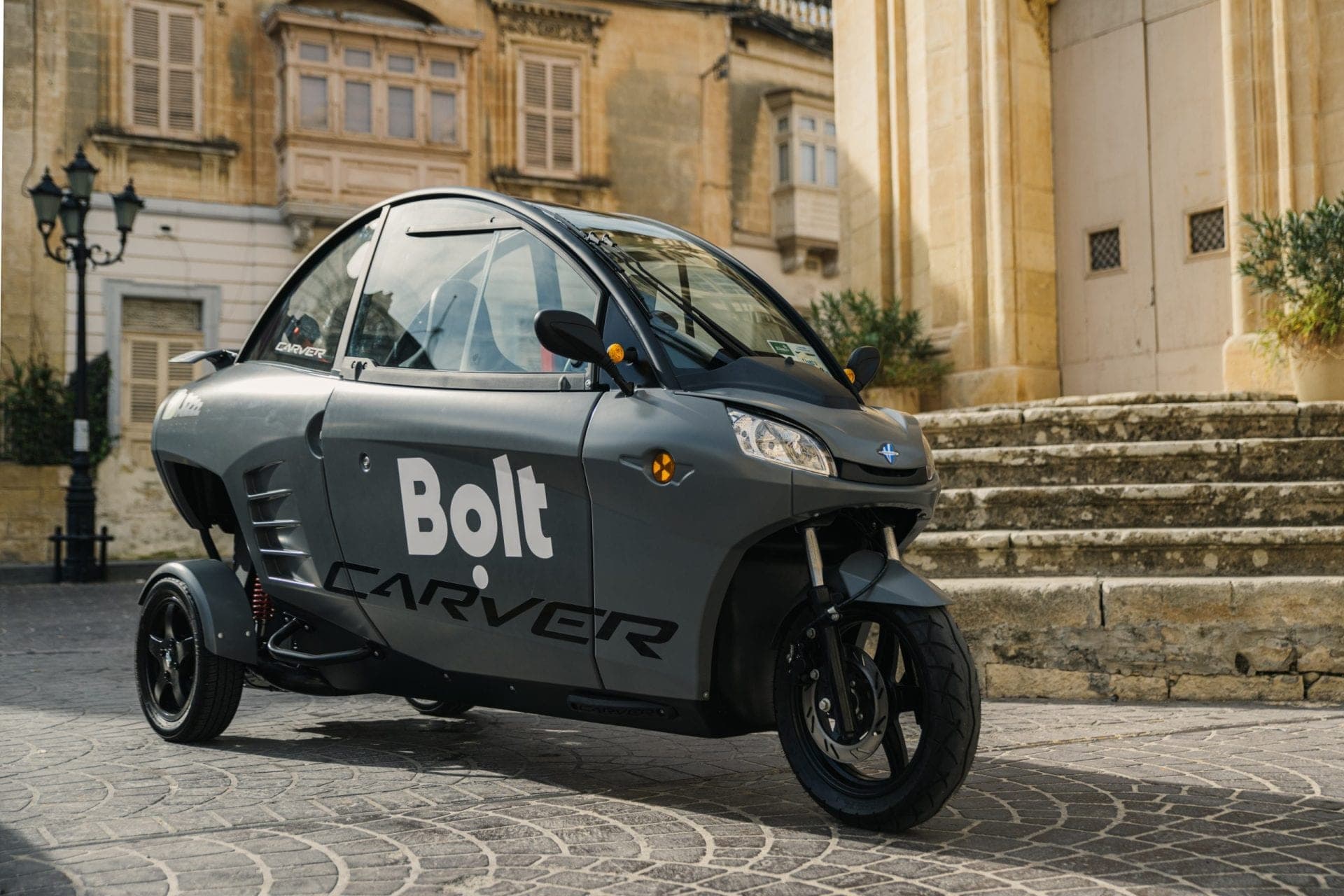
Bolt CEO Markus Villig announces a 25,000-strong autonomous vehicle fleet for Europe, built with Lucid Motors. What it means for Malta's ride-hailing market.
Bolt is betting big on driverless mobility. CEO Markus Villig announced plans to design and deploy 25,000 autonomous vehicles across Europe, a fleet the company will own and operate itself.
The ride-hailing giant has partnered with Lucid Motors to co-design the vehicles, which will run on NVIDIA Hyperion software. Villig said the partnership will use Bolt's data and decade of mobility experience to optimise for safety, speed of scaling, and the most efficient cost structure per kilometre.
For Malta, this is a significant development. Bolt has been the largest ride-hailing platform on the island since launching in 2018. The company's European autonomous push could eventually reach local roads, but Malta's regulatory framework for autonomous vehicles remains nascent.
So far, the only autonomous vehicles on Maltese roads are Malta Public Transport buses, introduced as part of a pilot study earlier this year. The contrast is stark: a small public pilot versus a commercial fleet of 25,000 vehicles.
Villig noted that autonomous cars require higher quality standards in the EU. The fleet will be built specifically for European regulations and safety requirements, a signal that Bolt is preparing for a compliance-heavy rollout.
The announcement raises questions for Malta's business community. If Bolt brings autonomous vehicles to Malta, it could disrupt the local ride-hailing market, affect employment for drivers, and pressure regulators to move faster on autonomous vehicle legislation.
Villig made the announcement in a LinkedIn post on Thursday. The fleet will be owned and run by the company, marking a shift from Bolt's typical asset-light model.
For now, the immediate impact on Malta is indirect. But as the dominant player in a small market, Bolt's European strategy will inevitably shape local expectations and regulatory conversations.