
€1m EU-Funded Restoration at Gozo's Għammar Hill Aims to Boost Biodiversity and Religious Tourism
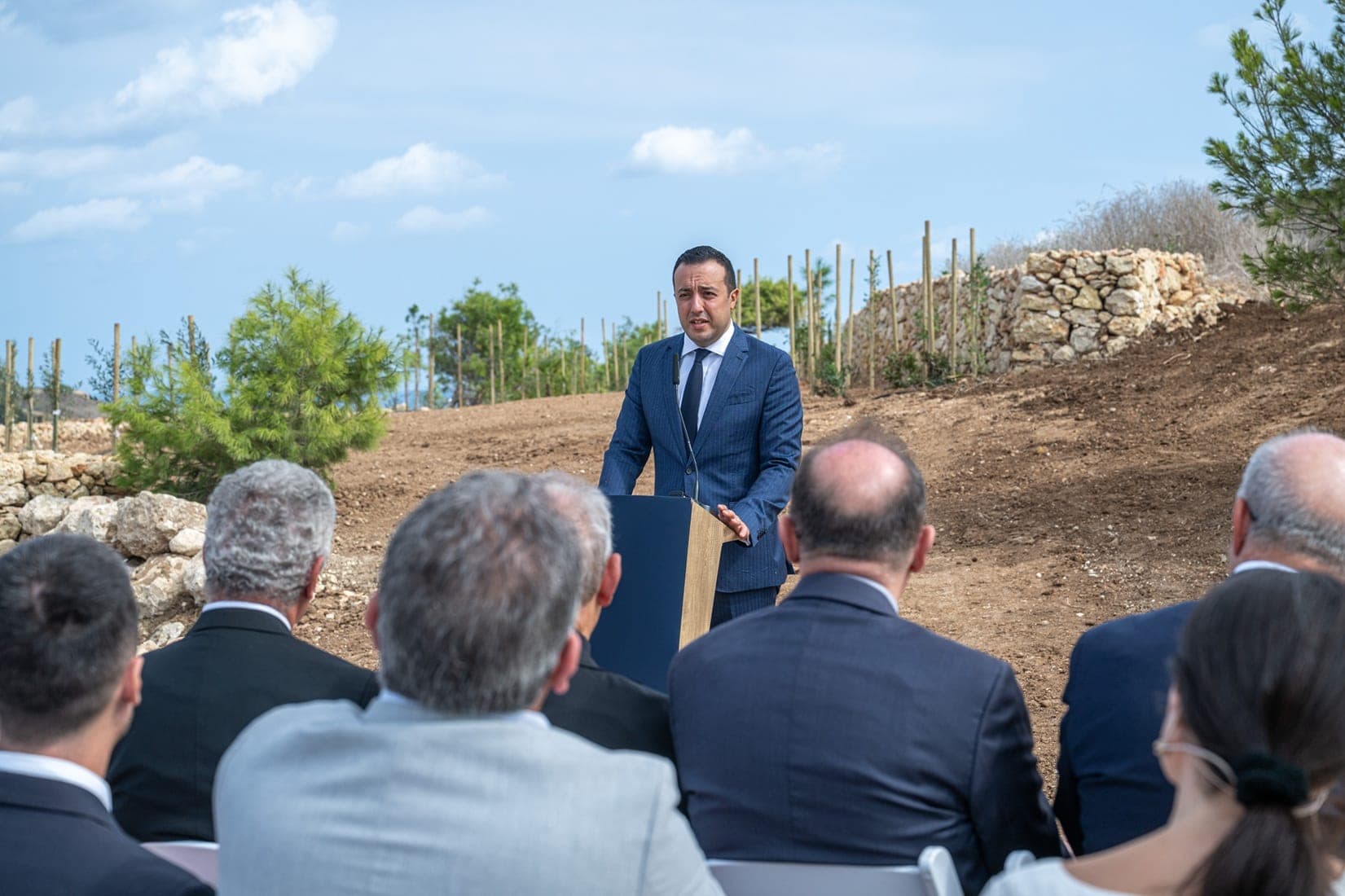
A €1m ecological restoration project near Ta' Pinu Sanctuary in Gozo has been completed, blending EU funds, Church land, and environmental goals.
A €1 million ecological restoration project at Għammar Hill, close to the Ta' Pinu Sanctuary in Gozo, has been completed within the first 100 days of the new legislature. The initiative is co-financed through European funds and covers around 8,500 square metres of Church-owned land.
The works involved rebuilding 1,700 cubic metres of rubble walls, regenerating the soil, and planting 1,000 endemic trees along with 3,000 endemic shrubs. An irrigation system has also been installed.
According to MaltaDaily, Minister for Gozo Clint Camilleri said the project delivers on a commitment made in the first 100 days. He explained that the land, previously dilapidated, has now been transformed into an open green space intended to create a suitable habitat for local biodiversity.
Minister for European Funds Keith Azzopardi Tanti argued that EU money should be judged not only by how much is secured but by how effectively it meets the country’s needs. He said the restoration demonstrates how European financing can protect the landscape and preserve the rural identity of Malta and Gozo.
Anthony Bezzina, Administrative Secretary of the Curia, highlighted the broader value of the collaboration. The government-Church partnership, he said, is building a more sustainable Gozo while supporting religious tourism, creating quality open spaces, and protecting natural resources.
For businesses and investors in Gozo, the project signals a strategic use of EU funds to strengthen the island's environmental infrastructure. Religious tourism, already anchored by the Ta' Pinu Sanctuary, now gains an adjacent green asset that could extend visitor stays and enhance the area's appeal.
The restoration also demonstrates how public investment can repurpose underutilised land into a productive ecological and tourism resource. That model may influence future development decisions across Gozo's rural landscape.