
Malta Hosts Prestigious Food on the Edge Symposium as Culinary Tourism Push Intensifies
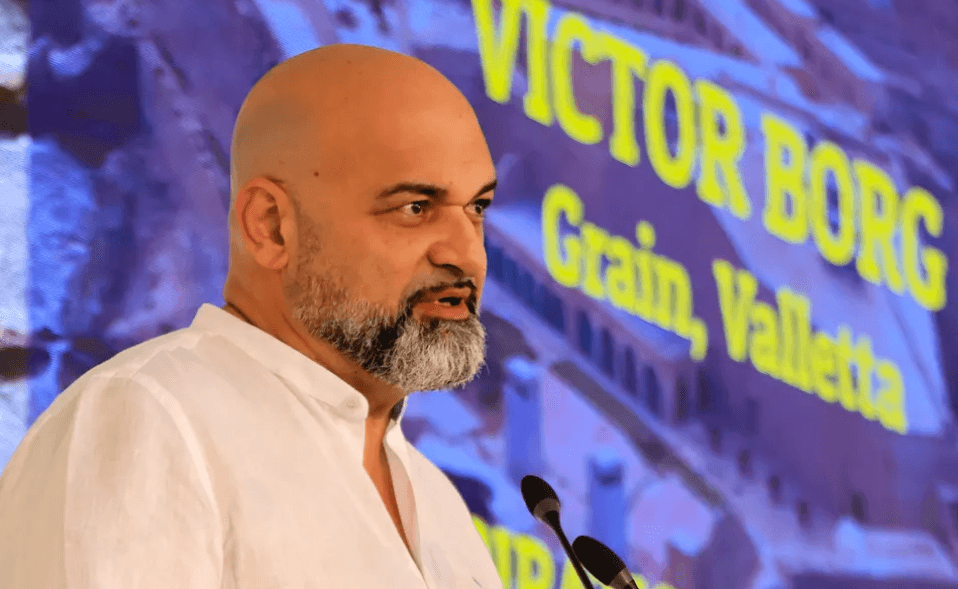
Malta welcomed the internationally acclaimed Food on the Edge symposium for the first time outside Ireland, signalling a strategic bet on gastronomy tourism.
Malta hosted the internationally recognised Food on the Edge symposium on 19 and 20 October, marking the first time in a decade that the event has been held outside its native Ireland.
Founded in Galway by chef JP McMahon, the symposium has built a reputation as a platform for dialogue among leading chefs, food producers, and industry professionals. The Malta Tourism Authority, together with the Malta Food Agency and Heritage Malta, brought the event to the islands.
The two-day programme featured main-stage presentations, panel discussions, interactive group sessions, and networking breaks. A dedicated showcase of local producers ran throughout the event, presenting Maltese cheeses, cured meats, wines, and other specialities.
Minister for Tourism Hon Jo Etienne Abela said the event allows local producers, chefs, and culinary entrepreneurs to showcase the quality of their products and the stories behind them. Connecting local talent with international expertise can strengthen professional networks and ensure tourism benefits are shared more widely, he added.
Malta Tourism Authority Chief Executive Officer Carlo Micallef said gastronomy is an increasingly important dimension of the visitor experience. He described hosting Food on the Edge as reinforcement of Malta's ambition to be a destination for high-quality, authentic gastronomic experiences.
The successful hosting of the symposium is a further step in Malta's efforts to develop a more experience-led tourism offering. By putting food at the centre, Malta is seeking to attract visitors who value heritage, innovation, and local produce.
For local food businesses, the event created direct access to an international audience of chefs and buyers. The showcase gave small producers a chance to establish connections that could open new export or partnership opportunities.
The move also aligns with broader trends in global tourism, where destinations increasingly compete on distinctiveness rather than volume. Culinary tourism tends to draw higher-spending travellers who stay longer and explore beyond traditional resort areas.
Malta's investment in events of this calibre signals a long-term bet on gastronomy as a driver of tourism growth. The question now is how quickly those connections translate into commercial traction for local producers and restaurants.