
MHRA warns tourism cannot carry Malta's budget burden alone
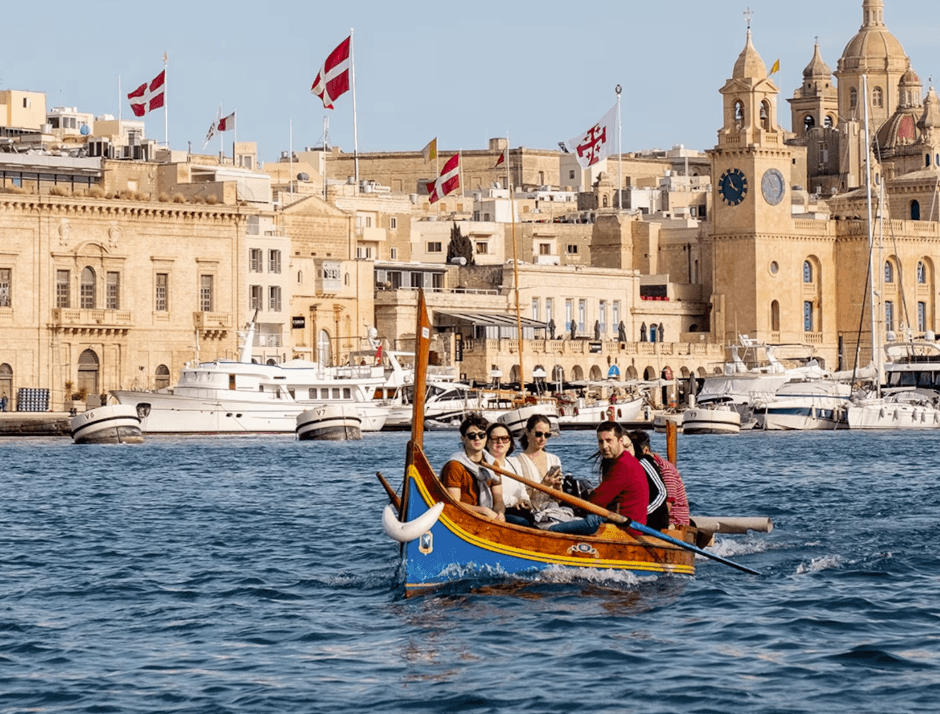
MHRA said Budget 2027 places an unfair share of the burden on tourism businesses while state spending keeps rising.
The Malta Hotels and Restaurants Association has put the tourism sector on notice: the 2027 Budget is shifting too much of the fiscal adjustment onto businesses while government spending continues to climb. In its reaction to the budget, the MHRA backed Finance Minister Clyde Caruana's call for financial discipline, but questioned how such discipline can be demanded from productive sectors when the cost of running the public sector is still growing.
The association said financial restraint should not fall solely on businesses and taxpayers. It called on government to rein in public sector spending as a matter of priority.
One of the most immediate pressures is employment. The MHRA warned that rising costs for hiring third-country nationals will squeeze tourism operators, who depend heavily on foreign workers. Combined with existing operating expenses, the new measures risk deepening labour market problems just as key source markets face falling disposable income and economic uncertainty.
The eco-contribution increase drew an unusually sharp rebuke. The MHRA described the rise to €8 as "too sharp" even by European standards, although it accepted that a moderate increase would be justified to keep funding energy support. The association insisted the levy should not become a general revenue stream. "Visitors and residents must see tangible improvements in destination quality rather than the contribution becoming another source of general revenue," it said.
For short-term rentals, the MHRA wants the higher eco-contribution paired with real enforcement and zoning rules. It argued this would prevent rental properties from overwhelming residential areas and help curb noise and unruly behaviour.
The strongest criticism was reserved for accommodation policy. The MHRA said the government's approach is contradictory: it keeps incentivising new tourist beds while aiming for higher-value tourism. "This contradictory approach must stop," the MHRA stressed. "Malta cannot continue encouraging the development of additional accommodation capacity while increasing the cost of visiting the destination and expecting a shift towards higher-value tourism."
The association called for an immediate reassessment of development incentives and a tourism strategy that manages supply as well as demand. It wants decisions based on economic returns, infrastructure capacity, destination quality and community wellbeing, not simply visitor numbers.
For Malta's business community, the warning is clear. The tourism sector remains the country's economic engine, but it is being treated increasingly as a tax base. If the burden grows too heavy while spending remains unchecked, the competitiveness edge that drives visitor demand could erode further.