
Labour Migration Review: First-Year Assessment Tests Malta's Policy Consensus
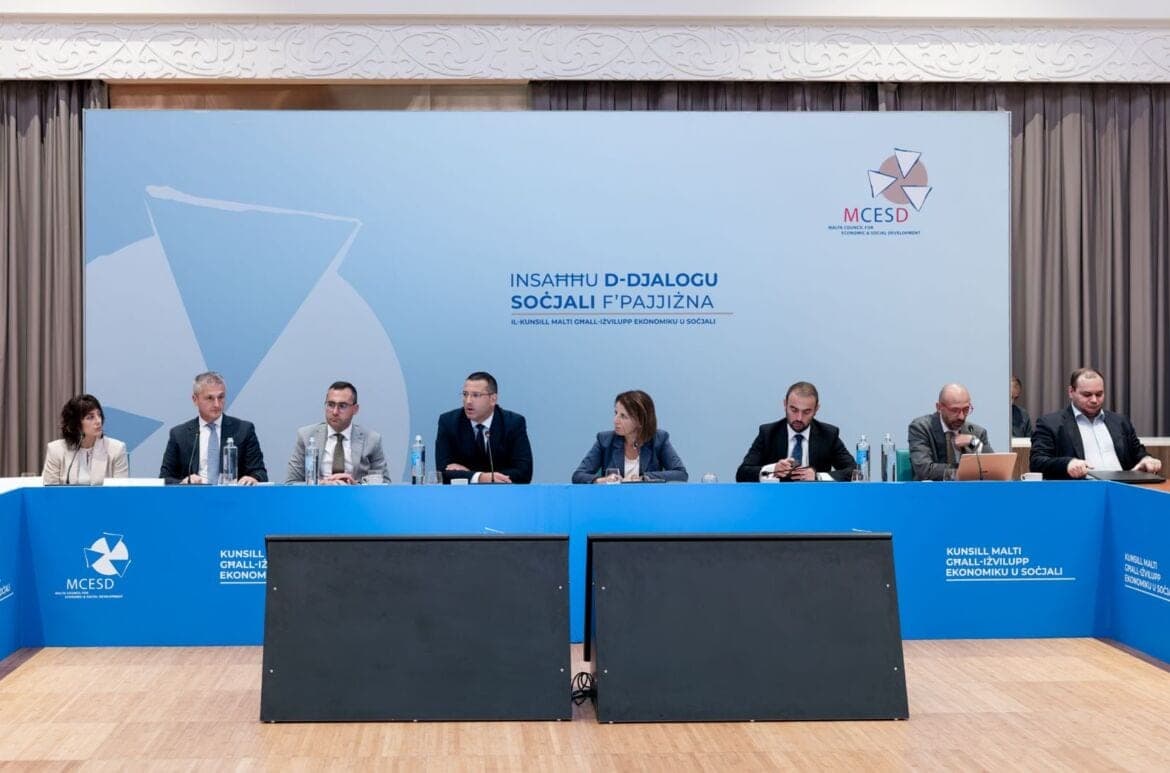
The government and social partners are reviewing the first year of Malta's labour migration policy, a process with direct implications for employers and foreign workers.
The first year of Malta's labour migration policy is now under formal review, with the government and social partners sitting down to assess how the framework has performed since its introduction. The review brings together state institutions and social partner representatives in a joint assessment of the policy's implementation.
The exercise is more than a routine check. For a small economy that depends heavily on foreign labour, the way this policy is fine-tuned will shape hiring practices, permit processing and the overall attractiveness of Malta as a work destination.
Social partners have long played a central role in Malta's labour market governance. Their involvement in this review signals that the government is seeking consensus before making any adjustments, rather than acting unilaterally.
For business leaders, the stakes are clear. Any change to the migration framework can alter workforce planning overnight, particularly in sectors such as iGaming, hospitality and construction, where foreign workers form a significant share of the talent pool.
The review also carries a leadership test. Balancing the demands of economic growth with the social pressures that migration can create requires a steady hand, and the outcome will indicate how well Malta's institutions can manage that tension.
As the assessment progresses, employers will be watching for signals on permit timelines, sectoral quotas and enforcement. The direction taken in this review will likely set the tone for labour market policy for years to come.