Malta Secures Second Place in EU for Programming Talent
A programme of coding activities and new school initiatives puts the development of Malta’s future technology workforce in focus.
Malta organised around 1,100 coding activities in 2025, placing second among EU member states in EU Code Week, according to the Ministry for the Economy, Technology and Strategic Projects. The result provides the backdrop to this year’s programme, running from 10 to 25 October.
The Code Week scoreboard ranks countries by registered activities relative to their population. Malta’s position therefore reflects the scale of participation adjusted for population size, rather than a ranking of professional programming skills or software industry output.
Coordinated locally by the Malta Digital Innovation Authority, the initiative introduces participants to programming, digital creativity and technology through practical learning experiences. MDIA chief executive Kenneth Brincat told TVM News that activities encouraging mathematical and creative thinking help prepare children for an increasingly digital world.
For businesses, the programme’s potential value lies in building interest and confidence in technology before students make decisions about further education and employment. Early exposure to coding can provide a starting point for developing the problem-solving skills needed to design, assess and improve digital tools.
Ten Maltese schools have also received the EU Code Week School Label for 2026–2028. The recognition acknowledges their sustained commitment to incorporating programming and digital literacy into teaching, extending the initiative’s reach beyond individual events.
This year’s programme includes the second edition of MDIA’s Funovation Competition, which recognises innovative digital learning activities in schools. A separate initiative, the Minecraft Education: Future Mobility Malta Challenge, invites students to develop ideas for safer, smarter and more sustainable mobility using the educational platform.
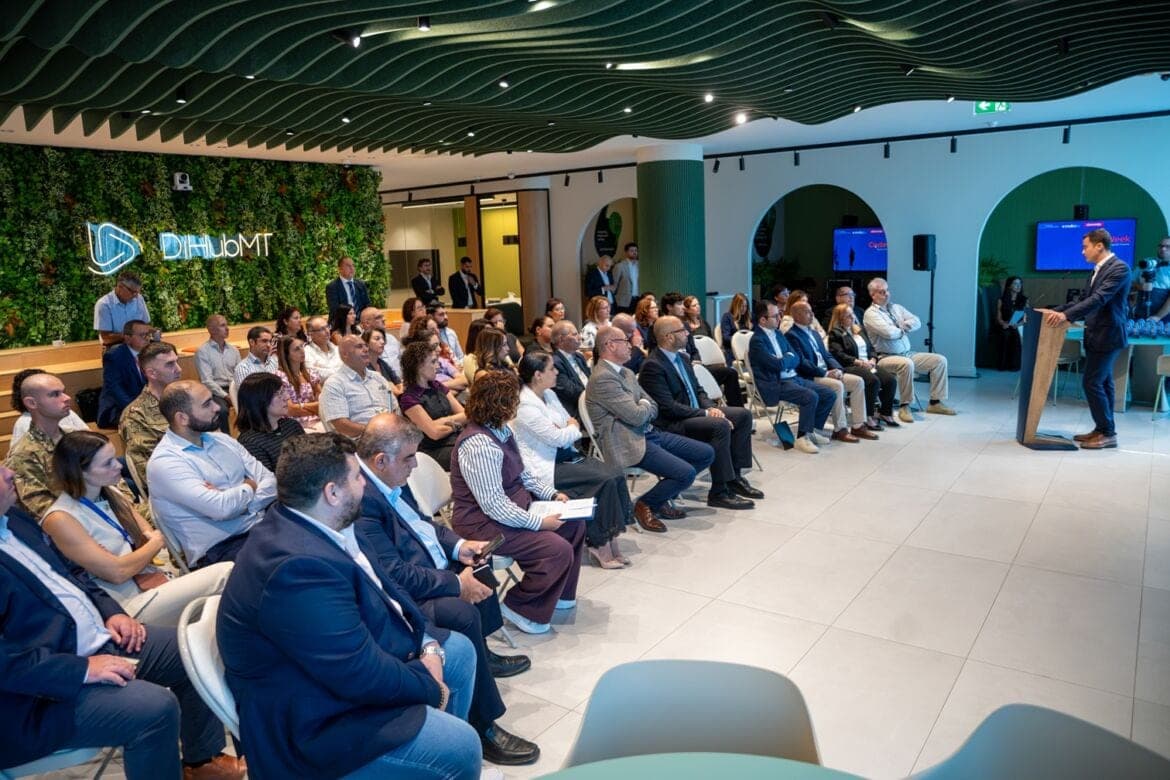
Launching the programme, Economy Minister Silvio Schembri linked digital education to Malta’s economic development and future employment opportunities. He also highlighted the importance of cooperation between educational institutions, industry and government in preparing young people for the workplace.
From a business perspective, sustained cooperation could help turn classroom interest into practical experience through mentoring, workplace projects and placements. Participation figures offer a useful measure of engagement; the longer-term economic benefit will depend on how that engagement develops into further study, technical competence and careers.