
Mazzit gets EU protected status, opening new commercial avenues for local producers
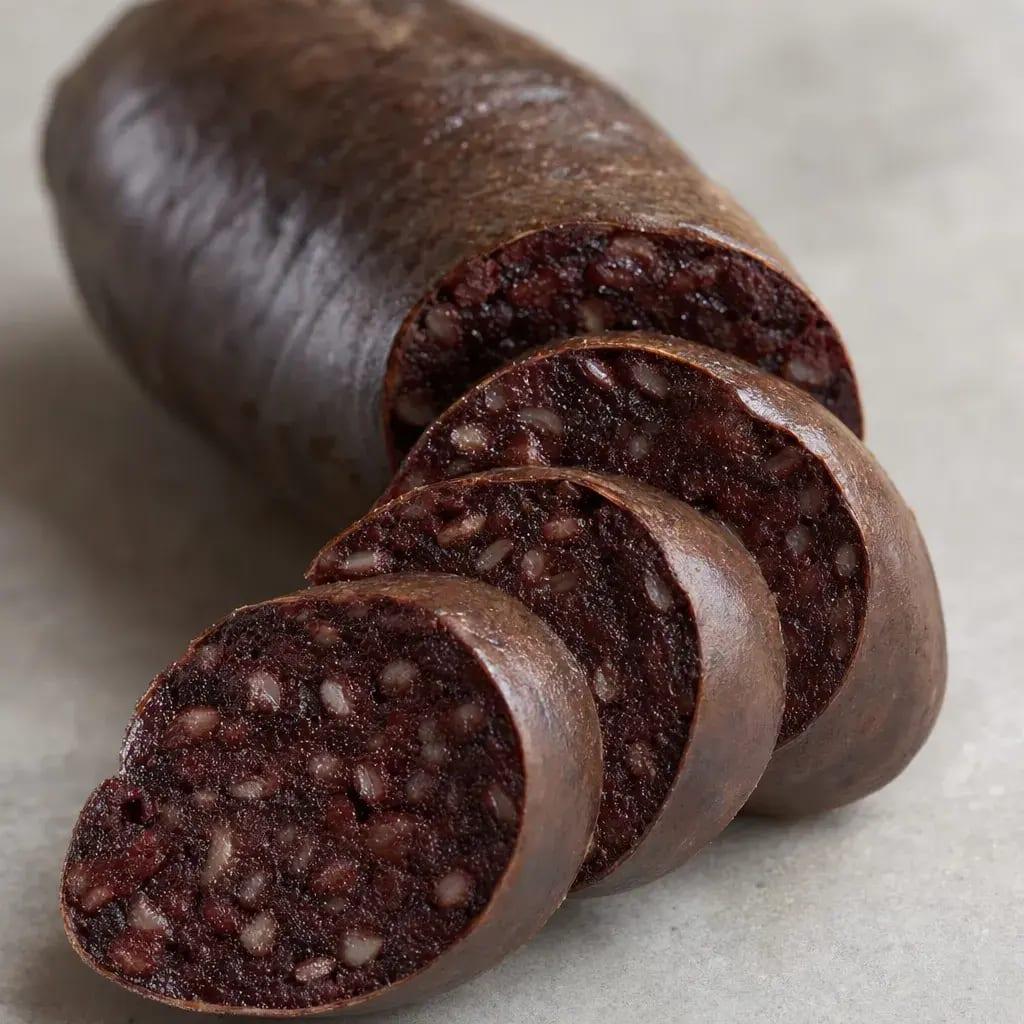
The European Commission has registered Malta's traditional mazzit as a Protected Geographical Indicator, a move that backers say can turn the blood sausage into an economic opportunity.
The European Commission has approved the registration of Malta's traditional mazzit as a Protected Geographical Indicator, giving the blood sausage the same EU-wide legal protection as Parma ham or Champagne.
The designation means only mazzit produced in Malta and Gozo according to the registered specification can be sold under that name anywhere in the European Union.
European Parliament President Roberta Metsola welcomed the announcement. “This means that a product which has been part of Maltese cuisine for generations is now receiving protection at European level,” “This is how we continue to safeguard what makes us Maltese and Gozitan, while giving greater value to our traditional products.”
Mazzit is a blood sausage made from uncoagulated pig or young bovine blood mixed with onions, raisins, sugar, cocoa or liquid chocolate, and sweet spices such as cinnamon and cloves. The mixture is stuffed into natural swine or bovine intestines.
The recipe dates back to at least the mid-18th century and is referenced in a Maltese proverb: “Fl-aħħar tal-mazzit ssib iż-żbiba”
After Malta joined the EU in 2004, strict sanitary regulations caused traditional mazzit production to disappear from small butcher shops. The new protected status follows years of work to bring production up to EU hygiene standards while preserving the traditional recipe.
Government invested in machinery for hygienic blood collection and processing, and in a specialised production facility. It also carried out historical research, developed product specifications, documented recipes and production traditions, and set up the Mazzit Stakeholders Group.
Food Minister Anton Refalo described the recognition as “much more than a mere European quality label,” adding that it acknowledges Malta's agricultural and culinary heritage has value worthy of protection and a future deserving of investment.
Public Abattoir General Director Stefan Cachia said the recognition comes after a long-term initiative that allowed a traditional product which risked being lost to be rediscovered. He added that the decision paves the way for the next phase which will transform mazzit into an economic opportunity for Malta.
Clive Tonna, Chief Executive of the Food Safety Authority, highlighted the authority's role in facilitating the registration process. He said the development will enhance the value of traditional Maltese and Gozitan products and create new opportunities for local producers including greater visibility, competitiveness, and economic potential.
For Malta's food and drink sector, the PGI label provides a legal framework to premium-price a product that was once a staple of every butcher's counter. Producers who meet the specification can now market mazzit as an EU-recognised speciality, both locally and for export.
“Europe must also be a means of protecting our identity, supporting local producers, and ensuring that the traditions we have inherited continue to thrive for future generations,”