
MED9 business federations push for island-focused Blue Economy strategy
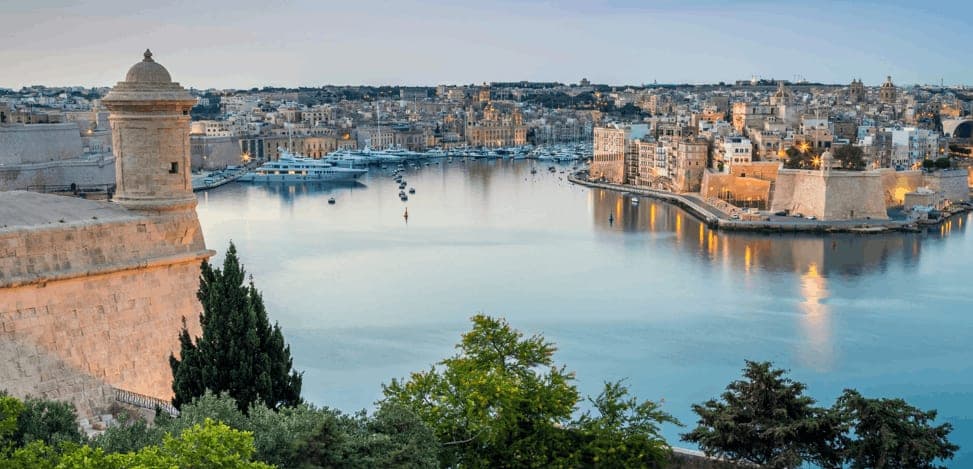
Malta Chamber and MBB join MED9 business groups in demanding EU budget and Blue Economy policies that prioritise islands and tourism.
The Malta Chamber of Commerce and the Malta Business Bureau have joined the leading business confederations of the nine Mediterranean EU Member States in a coordinated push for an island-focused Blue Economy strategy.
A joint letter to MED9 Heads of State or Government, released ahead of the Summit in Split on 7 October, is accompanied by a Business MED9 position paper on the Blue Economy. The demands are clear: an ambitious EU budget that safeguards Cohesion policy, a Blue Economy strategy that works for islands, and a Pact for the Mediterranean built with business from the outset.
After sustained engagement by MBB with its Mediterranean counterparts, the final text now includes multiple references to islands and recognises tourism as a strategic pillar of the Mediterranean Blue Economy.
The letter urges leaders to agree on an “ambitious and modernised EU budget” and stresses that Cohesion policy remains essential to ensure that all regions can contribute to, and benefit from, Europe’s competitiveness agenda. It calls for Cohesion policy to remain a central pillar of the next Multiannual Financial Framework, with resources clearly ring-fenced from other policy areas.
On maritime matters, the letter states that EU action should support the modernisation and decarbonisation of maritime value chains in a technology-neutral way, while supporting the competitiveness of islands, coastal regions and ports and avoiding traffic diversion towards neighbouring non-EU ports.
This reflects MBB’s longstanding concern that the maritime EU ETS risks shifting transshipment to North African ports without any genuine reduction in emissions.
Malta Chamber President William Spiteri Bailey said: “Malta’s voice carries further when it is part of a common Mediterranean position. We now look to Government to carry these messages into the discussions in Split.”
MBB CEO Mario Xuereb said: “The MED9 countries account for around 41% of EU GDP and almost half of its businesses. For us, the decisive point is that islands are no longer a footnote: the final text links maritime decarbonisation directly to the competitiveness of islands.”
MBB also contributed to the drafting of the Business MED9 Blue Economy paper. The final paper recognises that island economies face structurally higher transport costs due to the lack of land connectivity, which should be taken into account when designing EU transport, port and state-aid policies.
Following MBB’s input, the paper urges that the 2026 review of the EU ETS Directive translate its impact on ports into concrete legislative proposals, to prevent a repetition of the 2021 review, where the impact on ports was recognised but not followed by meaningful legislative action.
The paper gives Blue Tourism a place throughout, from skills for nautical services, marine hospitality and cruise operations to port-city integration. It proposes an EU Blue Economy Envoy within the Commission and a “Friends of the Blue Economy” group of MEPs.
MBB’s Brussels-based Nigel Caruana said: “Southern business federations are now coordinating as closely as the North has done for years. We are keen to be a vocal partner of this informal group and hope this paper puts island connectivity and tourism at the centre of the agenda.”