
Robot waiters or foreign workers? Malta's hospitality labour dilemma deepens
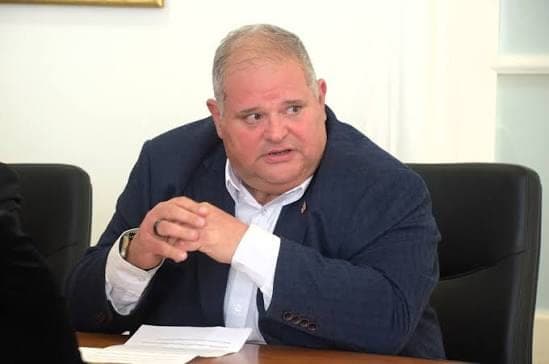
Chamber of Commerce proposes robots to cut foreign worker reliance, but unions and restaurateurs push back on service quality.
A proposal to deploy robot waiters in Maltese restaurants has exposed a deepening rift over how the hospitality sector should solve its chronic labour shortage.
The Chamber of Commerce floated the idea as a way to reduce dependence on foreign workers, who now make up the majority of restaurant staff. President William Spiteri Bailey said robots could be trained to understand Maltese.
The concept is not futuristic. Robots already serve customers in the United States and Italy. But in Malta, the proposal has drawn sharp opposition from unions and industry representatives.
General Workers' Union Secretary General Kevin Camilleri argued that technology should assist workers, not replace them. A robot can deliver a plate, he said, but it cannot welcome customers with a smile.
ACE President Michelle Muscat acknowledged the sector's heavy reliance on foreign labour but rejected automation as the answer. In comments given to TVMnews, she questioned how a robot could advise on wine pairings or handle complaints in a high-end restaurant.
Muscat made a distinction between segments of the market. In a fast-food setting, she said, a robot could help with digital orders, but not replace workers.
The labour shortage is partly driven by changing preferences among Maltese young people. Muscat noted that summer job applications from locals have dropped significantly. Young people now prefer more convenient hours and evening leisure time, while restaurant work runs almost around the clock.
A waiter in Malta earns between €6 and €13 per hour on average, according to the report. That wage range may not be enough to attract local workers back into the industry.
The debate leaves restaurant owners with a difficult choice: continue competing for foreign staff, invest in automation that customers may reject, or raise wages to attract local talent. None of these options is straightforward in a small market with thin margins.